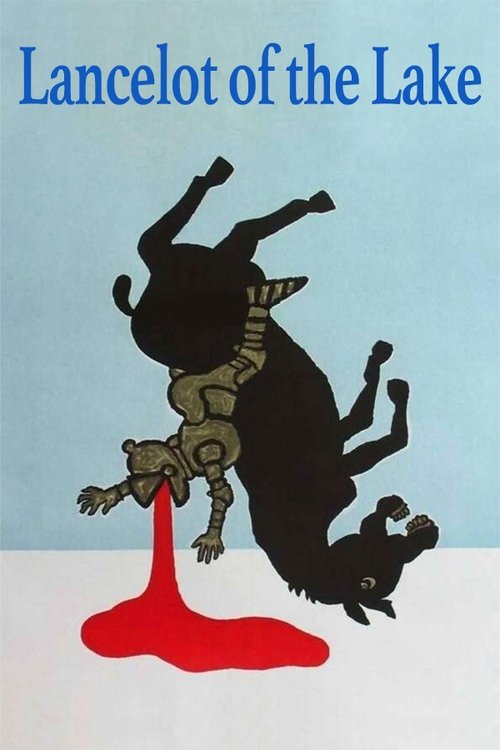
Lancelot of the Lake 1974
Robert Bresson's austere 1974 drama Lancelot of the Lake strips Arthurian legend down to its moral core, where the last knights of Camelot limp home after the Holy Grail quest in a mood of exhausted resignation.
Director: Robert Bresson
Cast
Frequently Asked Questions
What is Lancelot of the Lake (1974) about?
Lancelot of the Lake follows the surviving knights of the Round Table as they limp back to Camelot after failing to find the Holy Grail. Torn between loyalty to King Arthur and his secret affair with Queen Guinevere, Lancelot faces a crisis that threatens to tear the kingdom apart—especially as Mordred plots to expose the betrayal and seize power.
Who directed Lancelot of the Lake?
Robert Bresson directed Lancelot of the Lake, continuing his signature minimalist style that strips away excess to reveal emotional truths beneath.
Who stars in Lancelot of the Lake?
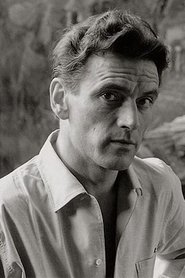
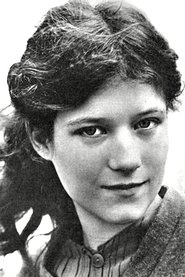
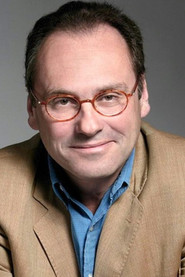
Luc Simon leads the cast as Sir Lancelot, joined by Laura Duke Condominas as Queen Guinevere, with Vladimir Antolek-Oresek as Mordred among the key performers.
Is Lancelot of the Lake (1974) worth watching?
Though low on spectacle, Bresson's contemplative drama offers rich rewards for fans of cerebral cinema. Its austere visuals and weighty themes make it a quietly powerful experience—ideal for viewers who prefer thoughtful character studies over action-heavy Arthurian tales.
How long is Lancelot of the Lake?
Lancelot of the Lake runs just 85 minutes—tight, deliberate, and brimming with quiet intensity.
🎥 Trailer
About Lancelot of the Lake (1974) — Love, Treason, and the Last Knights of Camelot
Robert Bresson's austere 1974 drama Lancelot of the Lake strips Arthurian legend down to its moral core, where the last knights of Camelot limp home after the Holy Grail quest in a mood of exhausted resignation. At the center stands Sir Lancelot, torn between his sacred vow to King Arthur and his forbidden passion for Queen Guinevere, a conflict that quietly erodes the fragile unity of the court. Mordred, sensing weakness in the king's grip, begins to weave the threads of betrayal into a public scandal that could shatter Camelot forever. Shot in Bresson's signature restrained style—minimalist performances, stark black-and-white frames—the film transforms legend into a meditation on duty, desire, and the cost of compromise.
Everything here feels heavy with premonition: the clatter of hooves on stone, the hollow echo of chapel bells, the way glances between lovers carry the weight of treason. Guinevere's hooded face and Lancelot's impassive helmet become emblems of love that must remain unspoken, while Mordred's calculating gaze foreshadows the coming storm. It's a medieval tragedy told with modernist precision, where every glance and gesture speaks volumes beneath Bresson's unflinching lens.