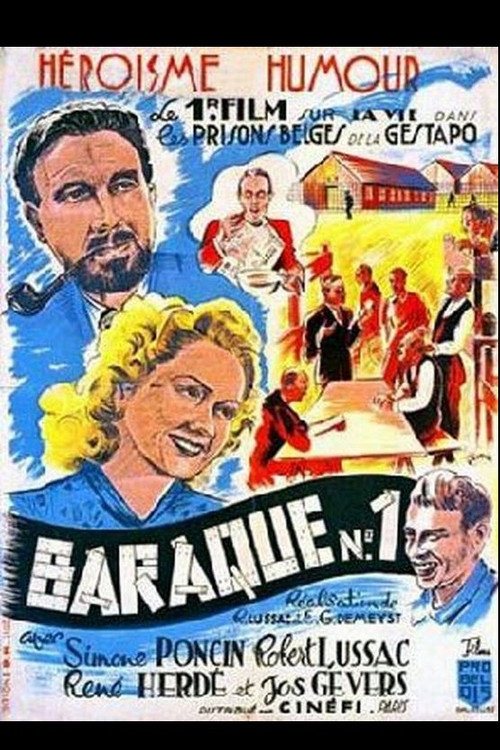
Barak 1 1945
Set against the grim backdrop of Nazi-occupied Belgium, *Barak 1* (1945) plunges viewers into the harrowing reality of Gestapo prisons. Directed by E.G. de Meyst, this war drama exposes the brutal conditions endured by political prisoners in a system designed to crush resistance.
Director: E.G. de Meyst
Cast


Frequently Asked Questions
What is Barak 1 (1945) about?
*Barak 1* exposes the brutal realities of Gestapo-run prisons in occupied Belgium during WWII. The film follows inmates as they grapple with fear, betrayal, and the fragile bonds that keep them alive amid relentless oppression. While based on true events, it's a visceral exploration of resistance and endurance under unimaginable conditions.
Who directed Barak 1?
E.G. de Meyst directed *Barak 1*, delivering a stark, emotionally charged war drama that reflects the struggles of occupied Belgium.
Who stars in Barak 1?
The film features standout performances by Marcel Berteau, Edouard Bréville, Viviane Chantel, Lucien Charbonnier, and Marguerite Daulboys.
Is Barak 1 (1945) worth watching?
Though unrated on IMDb, *Barak 1* is a compelling war drama for fans of historical films rooted in real-world trauma. Its unflinching portrayal of wartime cruelty and human resilience makes it a poignant watch, especially for those interested in WWII resistance narratives. Proceed with caution—it's not for the faint-hearted.
How long is Barak 1?
Runtime details are not listed.
About Barak 1 (1945) — A Powerful Wartime Drama from Belgium's Darkest Days
Set against the grim backdrop of Nazi-occupied Belgium, *Barak 1* (1945) plunges viewers into the harrowing reality of Gestapo prisons. Directed by E.G. de Meyst, this war drama exposes the brutal conditions endured by political prisoners in a system designed to crush resistance. The film's tense atmosphere is heightened by the stellar performances of Marcel Berteau and Edouard Bréville, who bring emotional depth to their roles as inmates navigating betrayal and solidarity. As the story unfolds, themes of resilience and moral courage emerge, painting a stark portrait of human dignity under extreme oppression.
The stark, documentary-like style of *Barak 1* offers no illusions about the horrors of wartime captivity, grounding its narrative in the experiences of those who lived through it. With its unflinching portrayal of survival, the film transcends mere historical recounting, becoming a testament to the unbreakable spirit of those who refused to yield to tyranny.