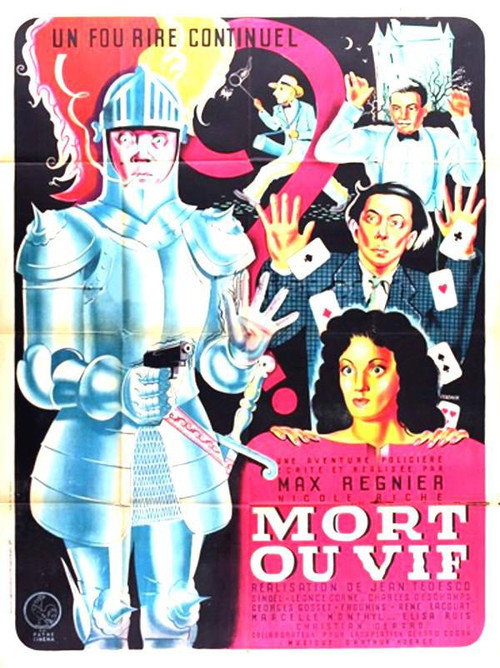
Mort ou vif 1948
In Jean Tedesco's clever 1948 French mystery, the unassuming Max Régnier steps into an unexpected role when he impersonates a renowned commissioner to enjoy a countryside getaway.
Director: Jean Tedesco
Cast
Frequently Asked Questions
What is Mort ou vif (1948) about?
Mort ou vif follows a man who pretends to be a famous commissioner on vacation, only to find himself at the center of a real murder investigation after a deadly "murder party" turns deadly. The film explores themes of deception, role-playing, and the fragile line between theater and truth.
Who directed Mort ou vif?
Mort ou vif was directed by Jean Tedesco, a filmmaker known for blending French theatrical and cinematic styles in mid-century productions.
Who stars in Mort ou vif?
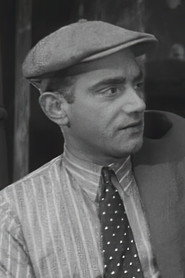
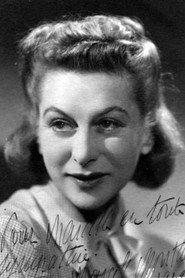
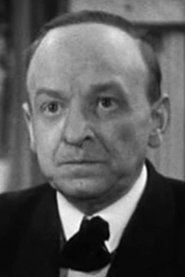
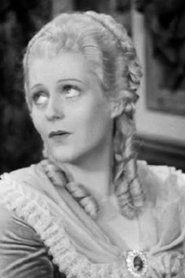
The film features Max Régnier as the lead, alongside Nicole Riche, Sinoël, Léonce Corne, and Charles Dechamps in pivotal roles.
Is Mort ou vif (1948) worth watching?
While lacking an IMDb rating, Mort ou vif offers a charming snapshot of classic French mystery with engaging performances and a clever plot twist. Fans of vintage whodunits and atmospheric storytelling will appreciate its unique take on the genre.
How long is Mort ou vif?
Mort ou vif runs for 95 minutes, offering a concise yet immersive viewing experience.
About Mort ou vif (1948) — A Fake Detective's Mystery in a Castle Guesthouse
In Jean Tedesco's clever 1948 French mystery, the unassuming Max Régnier steps into an unexpected role when he impersonates a renowned commissioner to enjoy a countryside getaway. Nestled in a castle-turned-guesthouse, the atmosphere is light and convivial—until dinner ends and guests are swept into a "murder party." What begins as playful role-play quickly spirals into reality when the supposed victim doesn't rise, revealing a chilling murder that turns the fake detective's game into a genuine investigation.
Mort ou vif (1948) blends the charm of vintage European whodunits with the tension of an unfolding crime, as Régnier's improvisational leadership is tested by a web of secrets among the guests. The film thrives on its cozy-yet-tense setting, where every polite smile hides a potential motive, and the boundaries between fiction and reality blur under the weight of suspicion. A snapshot of post-war France's love for theatrical suspense, it invites viewers into a world where no performance is quite what it seems.