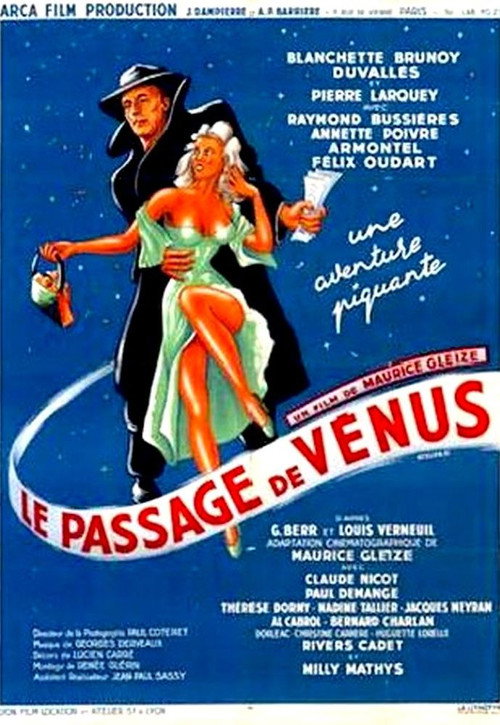
Le Passage de Vénus 1951
In "Le Passage de Vénus (1951)", directed by Maurice Gleize, a man named Lazare Chantoiseau wakes up with a guilty conscience after a night of revelry, convinced he's committed an unforgivable crime.
Director: Maurice Gleize
Cast


Frequently Asked Questions
What is Le Passage de Vénus (1951) about?
The film follows Lazare Chantoiseau, a man who wakes up convinced he committed a terrible crime after a night out in Paris. His mistaken belief leads him to an astronomer's wife, Hortense, and sparks a series of misunderstandings and romantic entanglements that challenge his assumptions.
Who directed Le Passage de Vénus?
The film was directed by Maurice Gleize, a French filmmaker known for his work in drama and comedy during the mid-20th century.
Who stars in Le Passage de Vénus?
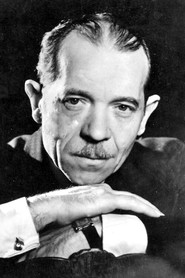
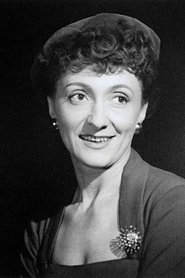
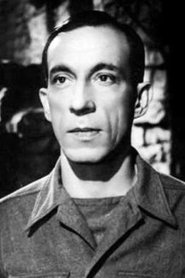
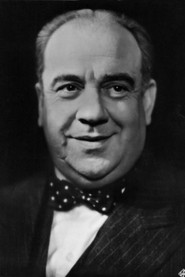
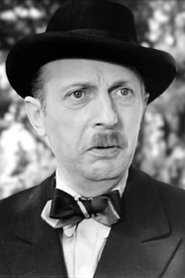
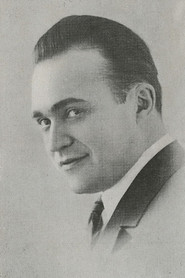
The cast includes Pierre Larquey as Lazare Chantoiseau, Blanchette Brunoy as Hortense, Annette Poivre, Frédéric Duvallès, and Raymond Bussières in key roles.
Is Le Passage de Vénus (1951) worth watching?
While not widely rated, "Le Passage de Vénus" offers a charming blend of drama and comedy, with a quirky premise that keeps the story engaging. Fans of mid-century French films or lighthearted character studies may find it a delightful discovery.
How long is Le Passage de Vénus?
The film has a runtime of 93 minutes.
About Le Passage de Vénus (1951) — A Parisian Farce of Guilt and Unexpected Romance
In "Le Passage de Vénus (1951)", directed by Maurice Gleize, a man named Lazare Chantoiseau wakes up with a guilty conscience after a night of revelry, convinced he's committed an unforgivable crime. Paris becomes the stage for this darkly comedic drama as Lazare, gripped by paranoia, confesses to a crime he didn't commit. His journey leads him to Hortense, the woman he's accused of harming, and her husband, an astronomer, uncovering a web of misunderstandings and unexpected passions. The film blends humor and introspection against the backdrop of post-war France, where moral dilemmas collide with romantic entanglements. With a lighthearted yet biting tone, Gleize crafts a story that questions identity, justice, and the whims of fate.
Set against the elegant yet melancholic streets of Paris, "Le Passage de Vénus (1951)" balances wit and warmth, exploring themes of redemption and human connection. Pierre Larquey's performance as Lazare anchors the film, infusing it with a mix of charm and chaos. The chemistry between the leads, including Blanchette Brunoy as Hortense, elevates the narrative into a tale of mistaken identity and fleeting romance. A hidden gem of French cinema, this 93-minute drama-comedy invites viewers into a world where logic bends and emotions run high.