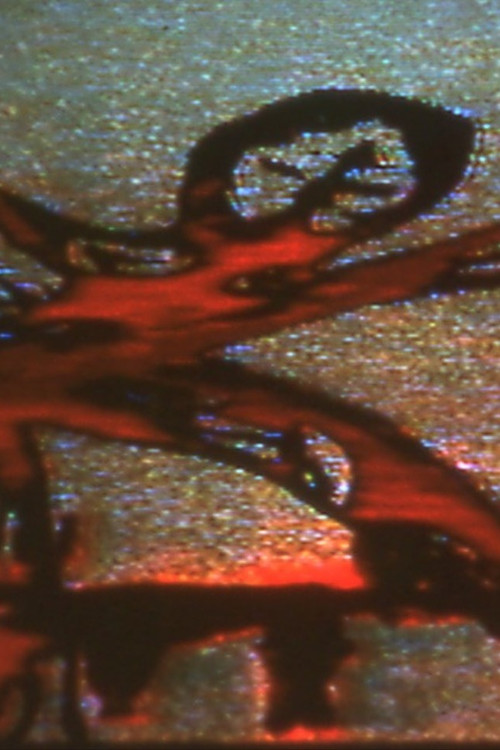
Thermogenesis 1972
Pioneering animator Ed Emshwiller pushed digital art into uncharted territory with Thermogenesis (1972), turning early computer tapes into a mesmerizing twelve-minute visual symphony.
Director: Ed Emshwiller
Frequently Asked Questions
What is Thermogenesis (1972) about?
Thermogenesis transforms hand-drawn sketches into a dynamic, color-drenched animated loop using early computer processing. The film blends video synthesis, chroma-keying, and layered editing to create an abstract, almost meditative visual experience. There's no dialogue or traditional plot—just a pulse of evolving shapes and radiant hues.
Who directed Thermogenesis?
Thermogenesis was directed by Ed Emshwiller, a visionary animator and video artist known for blending analog and digital techniques decades ahead of his time.
Who stars in Thermogenesis?
The cast includes Ed Emshwiller (as creator and animator), with Walter Wright and Richard Froeman operating the computers, and John Godfrey assisting with video editing.
Is Thermogenesis (1972) worth watching?
Thermogenesis is a must-see for fans of experimental animation and early digital art. While it lacks a traditional narrative, its hypnotic visuals and pioneering techniques make it a fascinating time capsule of 1970s technology. Since it's unrated and short, it's ideal for viewers curious about the roots of CGI and computer graphics.
How long is Thermogenesis?
Thermogenesis runs for 12 minutes.
About Thermogenesis (1972) — Ed Emshwiller's groundbreaking 1970s computer animation experiment
Pioneering animator Ed Emshwiller pushed digital art into uncharted territory with Thermogenesis (1972), turning early computer tapes into a mesmerizing twelve-minute visual symphony. By blending hand-drawn sketches with the raw energy of 1970s video synthesis, Emshwiller crafted a hypnotic, color-rich dreamscape that feels both futuristic and timeless. Backed by Walter Wright and Richard Froeman on the computers, and polished with chroma-keying and multi-generation edits, the film pulses with an almost organic rhythm, as if the pixels themselves are breathing. It's less a story and more an immersive experience—an abstract exploration of form, light, and the alchemy of technology.
This landmark work stands as one of Emshwiller's first forays into video art, marking a bold moment when animation met machine. Without narrative or dialogue, Thermogenesis relies entirely on visual texture and sonic mood, creating an atmospheric loop of evolving shapes and shifting hues. The result is a short film that feels like discovering an alien language—one made of pure, electronic poetry. Decades before digital art became mainstream, Emshwiller's Thermogenesis (1972) blazed a trail that would inspire generations of animators and filmmakers.