Like All Bad Men He Looks Attractive - They Say 2002
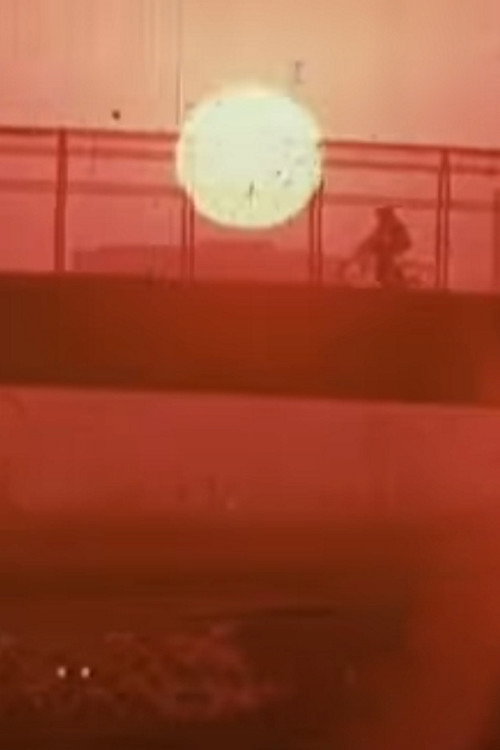
Michele Smith's experimental short film *Like All Bad Men He Looks Attractive - They Say* (2002) stitches together mismatched film formats—35mm, 16mm, and mini DV—into a collage that feels like a fever dream of Hollywood's past and present.
Director: Michele Smith
Frequently Asked Questions
What is *Like All Bad Men He Looks Attractive - They Say* (2002) about?
This experimental short blends mismatched film formats, archival slides, and found objects into a kaleidoscopic reflection on Hollywood's glamour and artifice. The 75-minute film layers textures and images, creating a surreal narrative that feels both personal and universally resonant.
Who directed *Like All Bad Men He Looks Attractive - They Say*?
Michele Smith helmed this avant-garde project, weaving together diverse mediums to craft a visually striking meditation on perception and memory.
Who stars in *Like All Bad Men He Looks Attractive - They Say*?
The film features archival footage and slides of cultural icons like Zsa Zsa Gabor, Charlton Heston, and George Peppard, though cast details beyond these appearances are not formally listed.
Is *Like All Bad Men He Looks Attractive - They Say* (2002) worth watching?
As an experimental piece, it's less about plot and more about atmosphere—ideal for viewers who crave visual storytelling over traditional narratives. Its 75-minute runtime rewards patience, offering a unique glimpse into Smith's artistic vision, even if it leaves interpretation open-ended.
How long is *Like All Bad Men He Looks Attractive - They Say*?
The film runs for 75 minutes, a concise yet dense exploration of collage and found footage.
About Like All Bad Men He Looks Attractive - They Say (2002) — Michele Smith's experimental collage film unravels Hollywood's illusions
Michele Smith's experimental short film *Like All Bad Men He Looks Attractive - They Say* (2002) stitches together mismatched film formats—35mm, 16mm, and mini DV—into a collage that feels like a fever dream of Hollywood's past and present. Layered with translucent plastic folders, bridge-blueprint mylar sheets, and vintage slides featuring icons like Zsa Zsa Gabor and Charlton Heston, the 75-minute piece blurs the line between documentary and surrealism. The title, borrowed from a quip about charm masking villainy, lingers as a wink to the viewer: is this artifice or something deeper?
The film thrives in atmosphere—moodier than a noir, more fragmented than a memory—where every frame suggests a story half-remembered. Smith's tactile approach turns found objects—shopping bags, slide projections, even a giant white rabbit—into narrative debris, inviting audiences to piece together meaning from the chaos. It's a meditation on perception, memory, and the way pop culture shapes identity, all wrapped in a visual puzzle that resists easy answers.