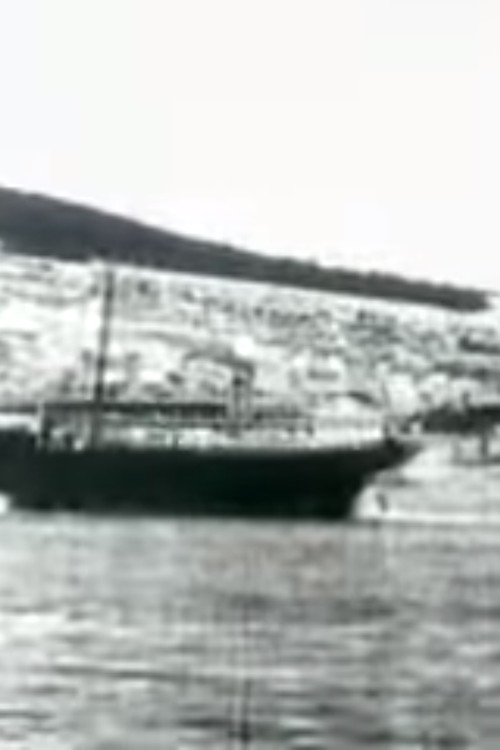
Port of Šibenik 1904
Step back into 1904 with *Port of Šibenik*, Frank S. Mottershaw's silent documentary capturing the bustling harbor of Šibenik in its earliest preserved film footage.
Director: Frank S. Mottershaw
Frequently Asked Questions
What is Port of Šibenik (1904) about?
This short documentary immortalizes the Šibenik port as it appeared in 1904, offering a fleeting but vivid snapshot of early 20th-century Dalmatian maritime life. The silent film captures dockside activity, ships, and the coastal atmosphere, providing a historical record that blends travelogue with cinematic novelty.
Who directed Port of Šibenik?
Frank S. Mottershaw is credited as the director of *Port of Šibenik*. While little is known about Mottershaw's broader filmography, this 1904 work stands as a notable contribution to early documentary cinema.
Who stars in Port of Šibenik?
No cast is officially listed for *Port of Šibenik*, reflecting the anonymous nature of early filmmaking. The focus remains solely on the port's landscape and activity rather than actors.
Is Port of Šibenik (1904) worth watching?
Though brief and silent, *Port of Šibenik* holds immense historical value as one of the oldest surviving Croatian films. Its documentary style and grainy aesthetic appeal to film historians and those fascinated by early cinema, even if it's not a narrative-driven experience. The film's rarity makes it a curiosity worth exploring for context rather than entertainment.
How long is Port of Šibenik?
The runtime for *Port of Šibenik* is approximately 2 minutes.
Port of Šibenik (1904): The Oldest Croatian Film — Full Movie Info
Step back into 1904 with *Port of Šibenik*, Frank S. Mottershaw's silent documentary capturing the bustling harbor of Šibenik in its earliest preserved film footage. This two-minute glimpse offers a window into Croatia's maritime heritage, framed within the era's pioneering filmmaking techniques. The grainy black-and-white images transport viewers to a time when steamships and wooden docks dominated the Dalmatian coast, evoking a sense of nostalgia and historical curiosity. As a key artifact of early cinema in the region, the film stands as a testament to the region's cinematic legacy, offering more than just a visual record—it's a cultural artifact that bridges the gap between past and present.
Though modest in length, *Port of Šibenik* (1904) carries significant weight as one of the oldest surviving Croatian films, debunking earlier claims tied to other filmmakers. Its grainy authenticity and fleeting runtime make it a rare treasure for film historians and cinephiles alike, inviting speculation about the lives and landscapes it barely captures. The film's historical value outweighs its brevity, serving as a tangible link to the early 20th century and the evolving art of documentary cinema.