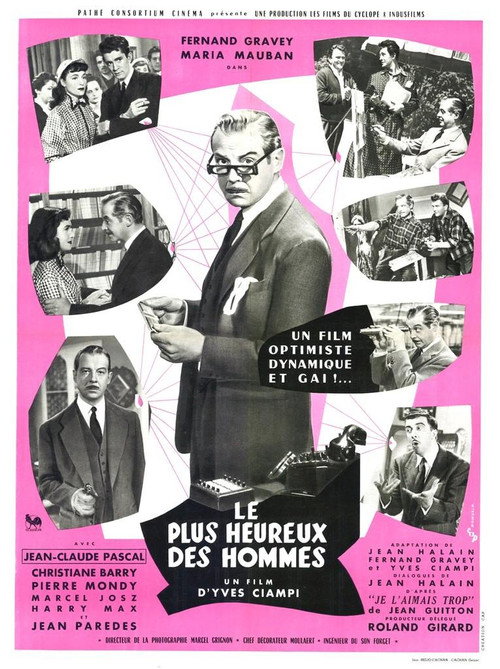
The Happiest of Men 1952
In Yves Ciampi's charming 1952 French comedy *The Happiest of Men*, the lines between art and ambition blur in unexpected ways.
Director: Yves Ciampi
Cast

Frequently Asked Questions
What is The Happiest of Men (1952) about?
*The Happiest of Men* follows a factory owner who trades his business suits for a painter's smock, only to find his wife's heart—and her affections—aligned with another artist who's more interested in profit than canvas. It's a biting yet playful look at how people chase passion versus practicality in love and life.
Who directed The Happiest of Men?
The film was directed by Yves Ciampi, a French filmmaker known for blending sharp social satire with lighthearted comedy.
Who stars in The Happiest of Men?
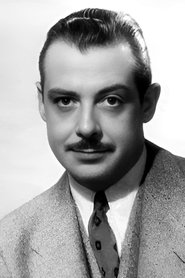
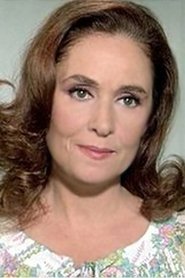
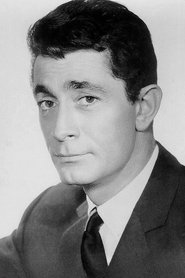
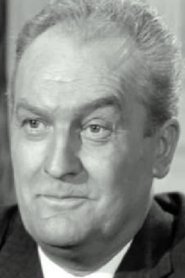
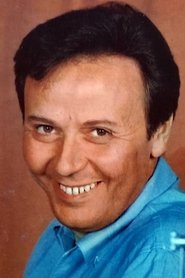
The cast features Fernand Gravey, Maria Mauban, Jean-Claude Pascal, Louis Arbessier, and Christiane Barry in key roles.
Is The Happiest of Men (1952) worth watching?
While it lacks a rated IMDb score, this French comedy delivers sharp wit, stylish direction, and a clever premise that holds up surprisingly well. Fans of mid-century comedies or films that blend romance with satire will likely find it charming—just don't expect a deep dive into character psychology.
How long is The Happiest of Men?
The film has a runtime of 87 minutes.
About The Happiest of Men (1952) — A 1950s French comedy about love, art, and mistaken priorities
In Yves Ciampi's charming 1952 French comedy *The Happiest of Men*, the lines between art and ambition blur in unexpected ways. Fernand Gravey stars as a wealthy industrialist who abandons the corporate world to embrace painting, only to discover his wife's infidelity—her lover is none other than a painter who's swapped his brushes for boardroom deals. Set against the backdrop of post-war Paris, the film balances lighthearted wit with a sharp critique of societal values, where creativity and commerce collide in a delightful farce.
Against the vibrant backdrop of 1950s Parisian society, *The Happiest of Men* explores the absurdity of misplaced priorities through its clever plot twists and witty dialogue. Maria Mauban and Jean-Claude Pascal bring charisma and charm to their roles, grounding the film's escapist humor in relatable human folly. With its breezy runtime and effortless comedic timing, the movie offers a nostalgic yet timeless snapshot of mid-century French cinema at its most playful and satirical.