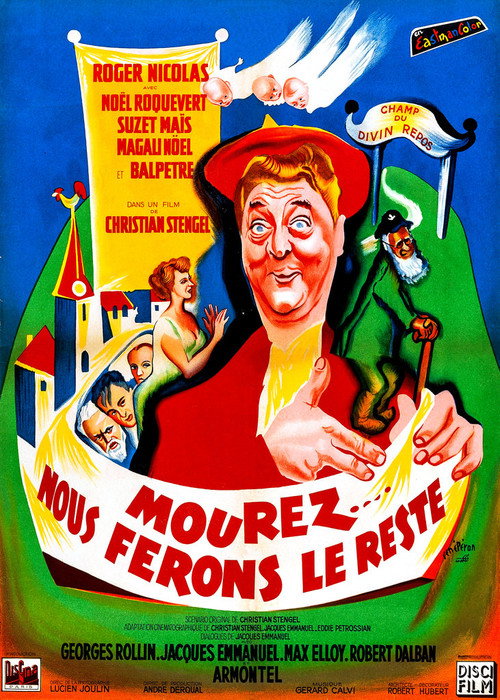
Die... We'll Do the Rest 1954
In Christian Stengel's charming 1954 French comedy *Die... We'll Do the Rest*, Roger Nicolas stars as Ulysse Sylvain, a dreamer whose plans to strike it rich in America are dashed—so he brings the American dream to his sleepy French village instead.
Director: Christian Stengel
Cast


Frequently Asked Questions
What is Die... We'll Do the Rest (1954) about?
The film follows Ulysse Sylvain, a man who can't make his fortune in America, so he reinvents his quiet French village with cowboys, pin-ups, and tourist traps. His boldest idea? A cemetery revamped as an 'American-style' attraction, complete with gimmicks to draw crowds.
Who directed Die... We'll Do the Rest?
Christian Stengel directed this 1954 French comedy, known for his lighthearted and satirical approach to cultural clashes.
Who stars in Die... We'll Do the Rest?
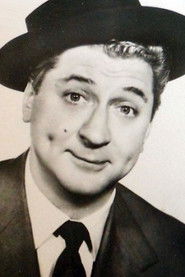
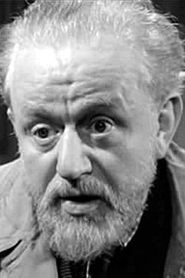
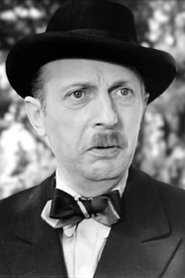
The cast includes Roger Nicolas as the ambitious Ulysse Sylvain, along with Magali Noël, Suzet Maïs, Antoine Balpêtré, and Roland Armontel.
Is Die... We'll Do the Rest (1954) worth watching?
While it may not be a classic, this quirky comedy offers nostalgic charm and a clever satire of post-war aspirations. Fans of offbeat French comedies will appreciate its whimsical premise and Stengel's playful direction.
How long is Die... We'll Do the Rest?
The film runs for 85 minutes.
About Die... We'll Do the Rest (1954) — A French village turns American in this delightful comedy
In Christian Stengel's charming 1954 French comedy *Die... We'll Do the Rest*, Roger Nicolas stars as Ulysse Sylvain, a dreamer whose plans to strike it rich in America are dashed—so he brings the American dream to his sleepy French village instead. Under the guise of a slick entrepreneur, Ulysse convinces the local notables to embrace his bold vision: cowboy saloons, pin-up posters, and even a cemetery reimagined with dazzling American flair. With humor and heart, the film captures the clash of cultures and the absurdity of chasing fortune against all odds.
The story takes a delightfully surreal turn when Ulysse's biggest gamble pays off—tourists flood the village, drawn by the promise of an 'American-style' experience. Yet the real kicker is his stunt to revive the local cemetery as a tourist attraction, blending macabre whimsy with economic ingenuity. Stengel's direction keeps the tone light and satirical, turning a quirky premise into a playful commentary on ambition and cultural identity.