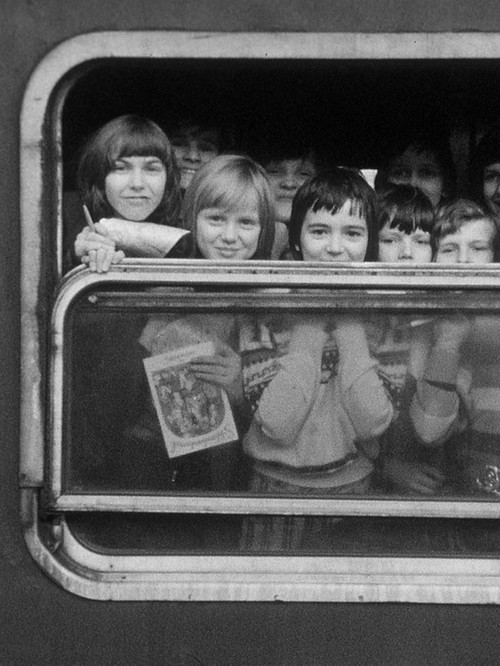
Ostbahnhof 1977
Ostbahnhof (1977), a short 8-minute documentary by Hans Wintgen, captures a fleeting moment frozen in time just as a train prepares to depart.
Director: Hans Wintgen
Frequently Asked Questions
What is Ostbahnhof (1977) about?
Ostbahnhof (1977) is a short documentary that zooms in on the minutes leading up to a train's departure, capturing the hushed anticipation and unspoken farewells unfolding on the platform. The film transforms an ordinary railway station into a canvas for reflection on transit, change, and the quiet emotions tied to travel.
Who directed Ostbahnhof?
Ostbahnhof was directed by Hans Wintgen, a filmmaker known for his evocative visual storytelling in documentary cinema.
Who stars in Ostbahnhof?
Cast information for Ostbahnhof (1977) is not publicly listed.
Is Ostbahnhof (1977) worth watching?
Though unrated on IMDb, Ostbahnhof (1977) is a compelling watch for fans of experimental and atmospheric documentaries. Its concise runtime and thoughtful direction make it a unique experience for those who appreciate subtle, meditative filmmaking.
How long is Ostbahnhof?
Ostbahnhof (1977) has a runtime of 8 minutes.
About Ostbahnhof (1977) — A Haunting Documentary on Time and Departure
Ostbahnhof (1977), a short 8-minute documentary by Hans Wintgen, captures a fleeting moment frozen in time just as a train prepares to depart. The film lingers on the platform, where passengers, railway workers, and the rhythmic ticking of departure boards create a meditative rhythm. Wintgen's lens transforms the mundane into something profound, turning an everyday scene into a contemplative study of anticipation and transience. The documentary's minimalist approach invites viewers to reflect on the passage of time, the inevitability of farewells, and the quiet stories unfolding in the margins of travel.
Shot in stark black-and-white, Ostbahnhof (1977) evokes a sense of nostalgia and solitude, emphasizing the isolation felt even in shared spaces. The film's deliberate pacing and absence of dialogue amplify its atmospheric tension, making it a unique entry in the documentary genre. Perfect for fans of experimental filmmaking, this short piece offers a poetic meditation on the spaces between destinations and the unspoken emotions they hold.