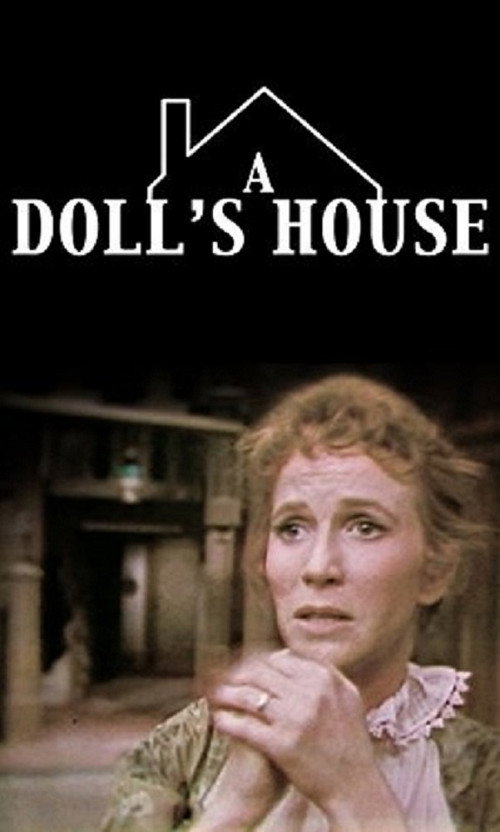
A Doll's House 1959
Step into the claustrophobic world of *A Doll's House (1959)*, George Schaefer's intimate drama that peels back the polished veneer of a wealthy household to reveal the cracks beneath.
Director: George Schaefer
Cast






Frequently Asked Questions
What is A Doll's House (1959) about?
*A Doll's House (1959)* follows Nora Helmer, a woman who takes drastic measures to protect her husband from financial ruin, only to face his indifference and the crushing weight of societal expectations. As her sacrifices go unrecognized, she begins to question the very foundations of her marriage and her identity.
Who directed A Doll's House?
George Schaefer directed *A Doll's House (1959)*, helming this intimate TV movie adaptation with a keen eye for dramatic tension.
Who stars in A Doll's House?
The film stars Julie Harris as Nora Helmer, with Christopher Plummer, Hume Cronyn, Eileen Heckart, and Jason Robards rounding out the main cast.
Is A Doll's House (1959) worth watching?
As a drama rooted in timeless themes of identity and sacrifice, *A Doll's House (1959)* offers a compelling character study that holds up remarkably well. Julie Harris delivers a standout performance in this tight, 90-minute adaptation, making it a worthwhile watch for fans of classic storytelling.
How long is A Doll's House?
*A Doll's House (1959)* runs for 90 minutes.
About A Doll's House (1959) — Julie Harris in a gripping drama of love, sacrifice, and awakening
Step into the claustrophobic world of *A Doll's House (1959)*, George Schaefer's intimate drama that peels back the polished veneer of a wealthy household to reveal the cracks beneath. Julie Harris stars as Nora Helmer, a woman whose efforts to save her husband from financial ruin go unacknowledged, forcing her to confront the suffocating expectations placed upon her. With Christopher Plummer as the oblivious husband and a powerhouse supporting cast including Hume Cronyn and Eileen Heckart, this TV movie adaptation immerses viewers in a tale of sacrifice, deception, and the fragile facade of marital perfection. The film's stark black-and-white aesthetic and themes of gender roles and personal autonomy linger long after the credits roll.
Based on the timeless play by Henrik Ibsen, *A Doll's House (1959)* transforms the stage into a visually compelling drama, where every glance and whispered word carries weight. The tension between Nora's quiet resilience and her husband's blind entitlement creates an atmosphere of quiet desperation, making this 90-minute TV movie a compact yet powerful exploration of identity and freedom.