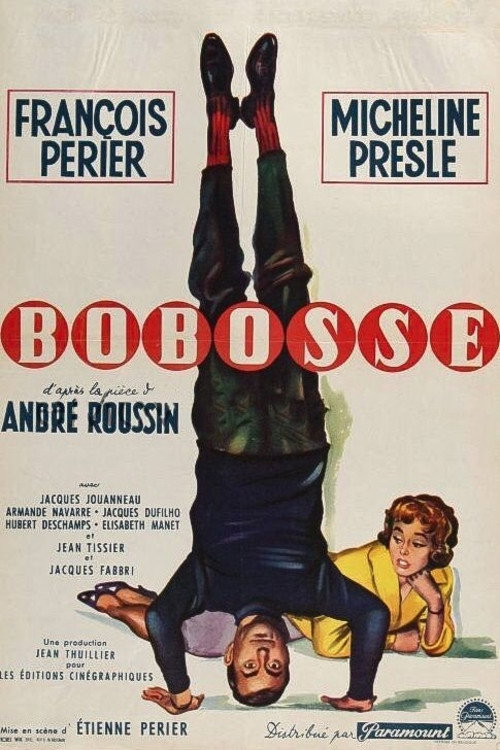
Bobosse 1959
In *Bobosse (1959)*, the boundaries between life and art blur as an actor's obsession with his craft takes an unexpected turn.
Director: Étienne Périer
Cast





Frequently Asked Questions
What is Bobosse (1959) about?
This 1959 French comedy follows an actor whose deep immersion in his theatrical role leads to real-life chaos when his wife leaves him. As he grapples with the abandonment, his over-the-top reactions and plans for revenge blur the line between fiction and reality.
Who directed Bobosse?
Étienne Périer directed *Bobosse*, bringing a keen eye for balancing comedy and psychological tension to the film.
Who stars in Bobosse?
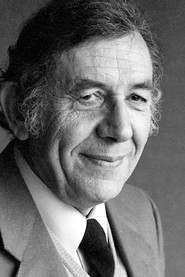
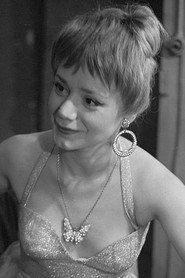
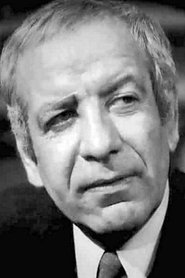
The film stars Micheline Presle, François Périer, Jacques Jouanneau, and Armande Navarre in pivotal roles.
Is Bobosse (1959) worth watching?
Though unrated, this quirky French comedy offers a witty yet thought-provoking take on the blurred line between theater and life. Its sharp performances and unique premise make it a hidden gem for fans of classic comedies with depth.
How long is Bobosse?
Bobosse has a runtime of 88 minutes.
About Bobosse (1959) — A French Comedy Where Theater Meets Real-Life Drama
In *Bobosse (1959)*, the boundaries between life and art blur as an actor's obsession with his craft takes an unexpected turn. Directed by Étienne Périer, this French comedy drifts from playful theater antics into darker territory when Bobosse, caught up in his role as a man deserted by his wife, finds the fiction uncomfortably mirroring reality. The film explores themes of identity, theater's power to distort perception, and the fine line between performance and personal crisis. With Micheline Presle and François Périer leading the cast, the atmosphere oscillates between lighthearted farce and psychological tension, making *Bobosse (1959)* a unique blend of wit and introspection.
The story unfolds with a deceptively simple premise that quickly spirals into a darkly comedic exploration of ego and revenge. As Bobosse's immersion in his character intensifies, his real-life reactions grow increasingly erratic, culminating in a plan that blurs the line between stage and street. Étienne Périer's direction ensures the film remains a sharp, character-driven comedy rather than a full-fledged drama, leaving audiences to question just how much of Bobosse's turmoil is performance—and how much is painfully real.