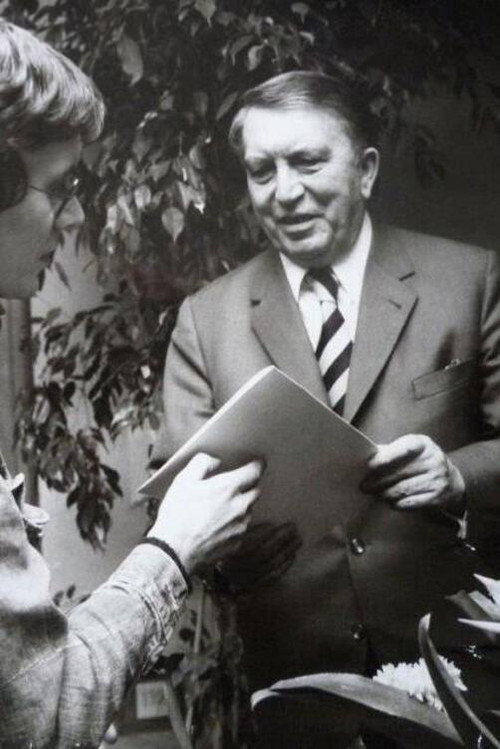
Süssmuth e.V. Drei Jahre Selbstverwaltung 1973
Step back to 1973 with Reiner Etz's *Süssmuth e.V. Drei Jahre Selbstverwaltung*, a compelling documentary that captures a groundbreaking moment in German labor history.
Director: Reiner Etz
Frequently Asked Questions
What is *Süssmuth e.V. Drei Jahre Selbstverwaltung* (1973) about?
This documentary follows the extraordinary story of 250 workers in Immenhausen who, in 1970, took over a bankrupt glassworks and transformed it into a self-managed cooperative. The film chronicles their struggles and triumphs over three years as they rebuild their livelihoods and challenge traditional economic structures.
Who directed *Süssmuth e.V. Drei Jahre Selbstverwaltung*?
Reiner Etz directed this documentary, offering a raw and unflinching look at the workers' fight for economic independence.
Who stars in *Süssmuth e.V. Drei Jahre Selbstverwaltung*?
The film focuses on the collective labor of roughly 250 workers and employees, whose real-life stories and efforts form the core of the documentary.
Is *Süssmuth e.V. Drei Jahre Selbstverwaltung* (1973) worth watching?
If you're drawn to social documentaries that explore labor rights, self-determination, and economic justice, this film is a compelling watch. While it lacks an IMDb rating, its historical significance and immersive storytelling make it a valuable piece for anyone interested in grassroots movements and cinematic realism.
How long is *Süssmuth e.V. Drei Jahre Selbstverwaltung*?
The documentary runs for 70 minutes.
About Süssmuth e.V. Drei Jahre Selbstverwaltung (1973) — The Workers' Cooperative That Defied Bankruptcy
Step back to 1973 with Reiner Etz's *Süssmuth e.V. Drei Jahre Selbstverwaltung*, a compelling documentary that captures a groundbreaking moment in German labor history. The film plunges viewers into the heart of Immenhausen, Hesse, where a workforce of roughly 250 employees—once abandoned by their bankrupt owner Richard Süssmuth—refuses to accept defeat. Instead, they seize control of the crumbling glassworks and transform it into a self-managed cooperative, *Süssmuth e.V.*, proving that resilience and collective vision can revive even the most desperate situations.
Etz's lens doesn't just document the technical challenges of reviving an industry; it immerses us in the spirit of solidarity and determination that defined this experiment. Shot in stark black-and-white, the film carries an atmosphere of gritty realism, echoing the raw energy of a community fighting for its future. Themes of autonomy, economic justice, and the power of grassroots movements resonate deeply, making this more than a historical footnote—it's a testament to what can happen when ordinary people reclaim their agency.
*Süssmuth e.V. Drei Jahre Selbstverwaltung (1973)* remains a fascinating watch for those interested in social documentaries, labor history, and the enduring quest for economic democracy.