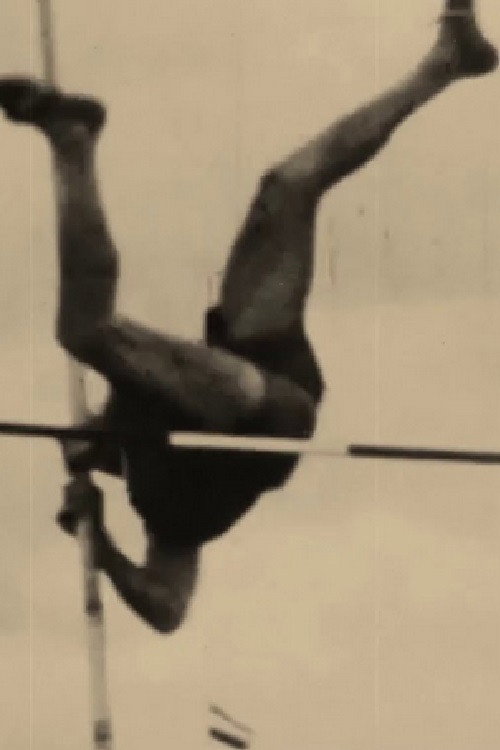
Balkan Games in Zagreb 1934
Step back in time to the early 20th century with *Balkan Games in Zagreb (1934)*, a captivating documentary that preserves the spirit and energy of a historic sports competition held in Zagreb.
Director: Maksimilijan Paspa
Frequently Asked Questions
What is Balkan Games in Zagreb (1934) about?
*Balkan Games in Zagreb (1934)* documents a historic sports competition that took place in Zagreb during the early 20th century. The film captures the intensity and camaraderie of athletes competing in various events, offering a snapshot of regional athletic pride and cultural exchange.
Who directed Balkan Games in Zagreb?
The film was directed by Maksimilijan Paspa, a filmmaker known for his work during the documentary era of the 1930s.
Who stars in Balkan Games in Zagreb?
The cast of *Balkan Games in Zagreb* is not officially credited, reflecting the documentary nature of the film and the era's production practices.
Is Balkan Games in Zagreb (1934) worth watching?
While *Balkan Games in Zagreb* is a short documentary with no IMDb rating, its historical significance and nostalgic value make it a compelling watch for fans of early sports films and European cultural history. The film's authenticity and limited availability add to its allure.
How long is Balkan Games in Zagreb?
The runtime of *Balkan Games in Zagreb* is 10 minutes.
About Balkan Games in Zagreb (1934) — A 10-Minute Time Capsule of Early 20th-Century Sports
Step back in time to the early 20th century with *Balkan Games in Zagreb (1934)*, a captivating documentary that preserves the spirit and energy of a historic sports competition held in Zagreb. Directed by Maksimilijan Paspa, this 10-minute film offers a rare glimpse into the Balkan Games, an athletic event that brought together competitors from across the region. Shot in the documentary style of the era, the footage captures the raw intensity of the games, the camaraderie among athletes, and the electrifying atmosphere of a sporting spectacle that mirrored the cultural and political currents of the time.
Though the cast of *Balkan Games in Zagreb* remains uncredited, the film itself stands as a testament to the growing importance of sports in fostering regional unity and pride. The documentary's grainy, monochrome visuals evoke nostalgia, transporting viewers to a moment when Zagreb became the epicenter of athletic ambition and international collaboration. For history buffs and sports enthusiasts alike, this film is a treasure trove of early competitive sportsmanship and cultural heritage.