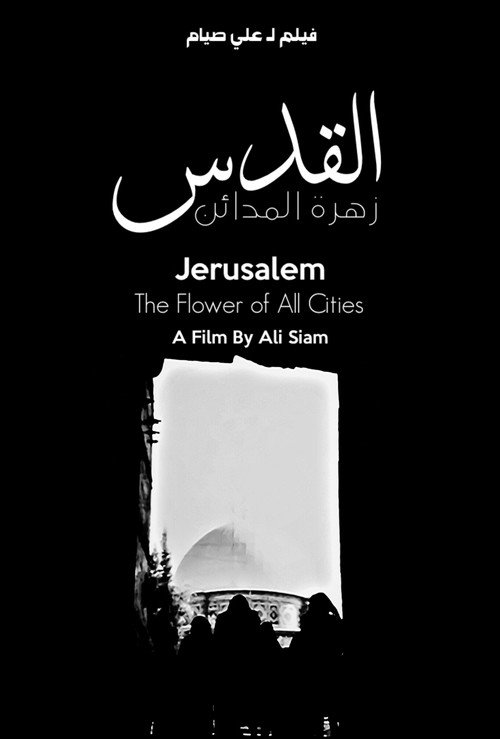
Jerusalem: The Flower of All Cities 1969
"It Is For You O City Of The Prayer That I Pray."
Jerusalem: The Flower of All Cities (1969) presents a poignant portrayal of Palestinian life in Jerusalem before the city's occupation by the Israeli army in 1967.
Director: Ali Siam
Frequently Asked Questions
What is Jerusalem: The Flower of All Cities (1969) about?
The film presents a poignant portrayal of Palestinian life in Jerusalem before the city's occupation by the Israeli army in 1967.
Who directed Jerusalem: The Flower of All Cities?
Ali Siam masterfully directed this thought-provoking documentary.
Who stars in Jerusalem: The Flower of All Cities?
Unfortunately, the main cast is not listed.
Is Jerusalem: The Flower of All Cities (1969) worth watching?
As an unrated documentary, Jerusalem: The Flower of All Cities (1969) may not be to everyone's taste, but its powerful portrayal of conflict and its impact on civilians makes it a worthwhile watch.
How long is Jerusalem: The Flower of All Cities?
The film has a runtime of 8 minutes.
About Jerusalem: The Flower of All Cities (1969) — A Haunting Portrayal of Life Before Occupation
Jerusalem: The Flower of All Cities (1969) presents a poignant portrayal of Palestinian life in Jerusalem before the city's occupation by the Israeli army in 1967. Director Ali Siam masterfully captures the everyday moments of civilians, the vibrant markets, and the beautiful architecture, creating a harmonious picture of life before the turmoil. Unfortunately, this peaceful scene is disrupted by the army's sudden presence, leaving viewers with a haunting sense of loss and longing.
The film's runtime of just 8 minutes makes it a poignant and thought-provoking experience. With a genre that blends documentary and social commentary, Jerusalem: The Flower of All Cities (1969) is a must-watch for those interested in historical documentaries and the human impact of conflict.
Available on multiple devices, this short film is a powerful reminder of the importance of understanding and preserving cultural heritage.