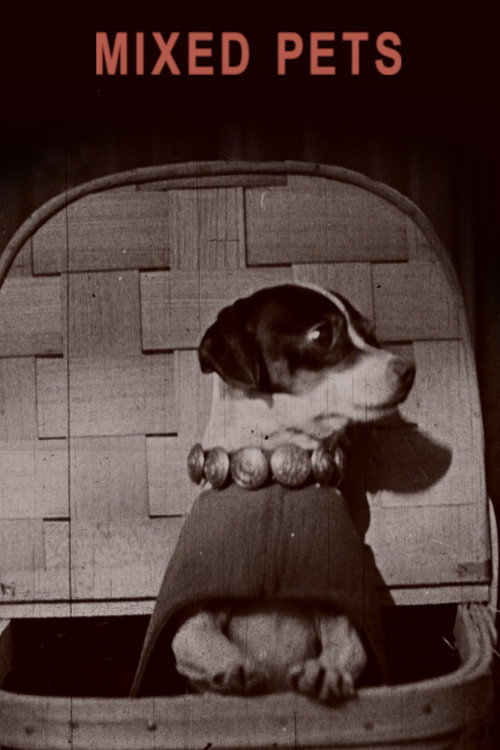
Mixed Pets 1911
Dive into the delightful chaos of *Mixed Pets (1911)*, an early silent comedy masterpiece crafted by the legendary Alice Guy-Blaché.
Director: Alice Guy-Blaché
Cast
Frequently Asked Questions
What is Mixed Pets (1911) about?
This early silent comedy follows a newlywed couple whose playful disagreement over owning a pet spirals into a series of comical mix-ups. The household staff, desperate to keep the peace, accidentally swap a puppy and a baby, leading to uproarious chaos.
Who directed Mixed Pets?
Mixed Pets was directed by Alice Guy-Blaché, a pioneering figure in early cinema and one of the first female filmmakers to achieve widespread recognition.
Who stars in Mixed Pets?
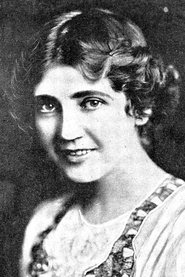
The film stars Frances Gibson and Blanche Cornwall, who bring the film's humor and heart to life with their engaging performances.
Is Mixed Pets (1911) worth watching?
Despite its age, *Mixed Pets* remains a charming snapshot of early silent comedy, offering a glimpse into the genre's playful roots. Its blend of humor and gentle social commentary makes it a worthwhile watch for fans of classic films, even if the IMDb rating isn't available.
How long is Mixed Pets?
Mixed Pets has a runtime of 13 minutes.
About Mixed Pets (1911) — A Silly Silent Comedy with a Twist of Heart
Dive into the delightful chaos of *Mixed Pets (1911)*, an early silent comedy masterpiece crafted by the legendary Alice Guy-Blaché. This 13-minute short weaves a web of domestic mischief as a newlywed couple's playful tussle over pets—namely a dog and a baby—blossoms into a series of hilarious misunderstandings. With the household staff caught in the crossfire, the film's lighthearted antics reveal Guy-Blaché's signature blend of humor and heart, exploring the quirks of relationships with warmth and wit.
Starring Frances Gibson and Blanche Cornwall, the movie's charm lies in its clever premise: the 'pets'—one furry, one tiny—become the unwitting pawns in a game of hide-and-seek, leading to absurd yet endearing moments. The film's tone balances playful frivolity with a keen observation of human foibles, a testament to Guy-Blaché's groundbreaking influence on early cinema.