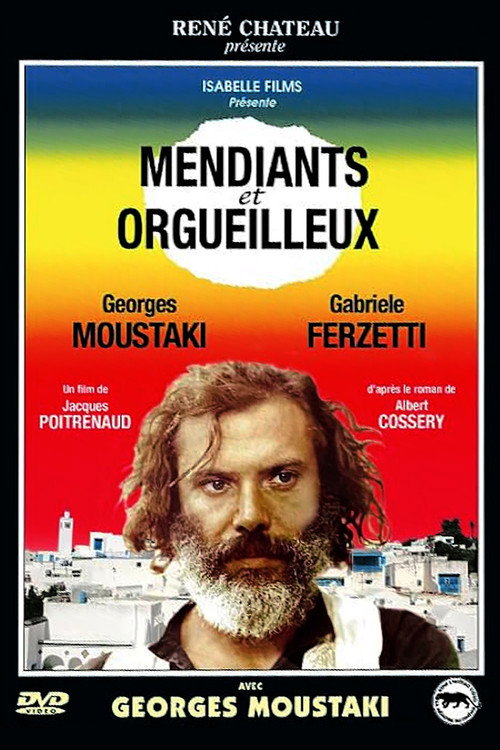
Beggars and Proud Ones 1972
Jacques Poitrenaud's *Beggars and Proud Ones (1972)* is a bold blend of comedy, crime, and drama set in the working-class streets of Tunis.
Director: Jacques Poitrenaud
Cast

Frequently Asked Questions
What is *Beggars and Proud Ones (1972)* about?
The film follows Hadjis, a philosophy professor who leaves Europe to live in poverty among the working class in Tunis. His idealistic experiment in destitution takes a dark turn when an act of violence forces him to confront the consequences of his beliefs.
Who directed *Beggars and Proud Ones*?
Jacques Poitrenaud directed this 1972 drama, blending philosophical depth with crime and dark humor.
Who stars in *Beggars and Proud Ones*?
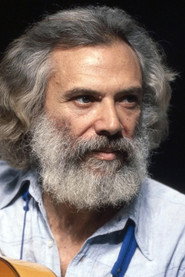
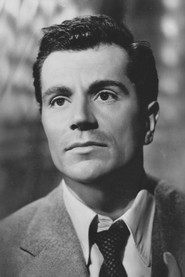
The cast includes Georges Moustaki as Hadjis, alongside Gabriele Ferzetti, Gérard Falconetti, Nadia Samir, and Boudjema Bouhada in key roles.
Is *Beggars and Proud Ones (1972)* worth watching?
Fans of character-driven dramas with philosophical undertones will find *Beggars and Proud Ones* compelling, though its intense themes and unrated status may not suit all viewers. The film's unique blend of genres and atmospheric storytelling make it a hidden gem worth exploring.
How long is *Beggars and Proud Ones*?
The film has a runtime of 90 minutes.
About Beggars and Proud Ones (1972) — When Utopia Meets the Law
Jacques Poitrenaud's *Beggars and Proud Ones (1972)* is a bold blend of comedy, crime, and drama set in the working-class streets of Tunis. The film follows Hadjis, a spirited philosophy professor who abandons his comfortable European life to live among the marginalized, embracing poverty as a path to enlightenment. Alongside his devoted followers—a medical student and a poet—they form a tight-knit circle of idealists, navigating the harsh realities of their new existence with wisdom and wit. But when Hadjis succumbs to a hashish-fueled frenzy and commits an unthinkable act, his philosophical journey collides with the unforgiving grip of the law.
As the police close in, the story shifts from existential musings to a tense moral reckoning, exploring themes of redemption, hypocrisy, and the cost of chasing utopia. With its raw, atmospheric tone and sharp character studies, Poitrenaud crafts a thought-provoking yet accessible drama that questions whether true wisdom can survive in a world of chaos.