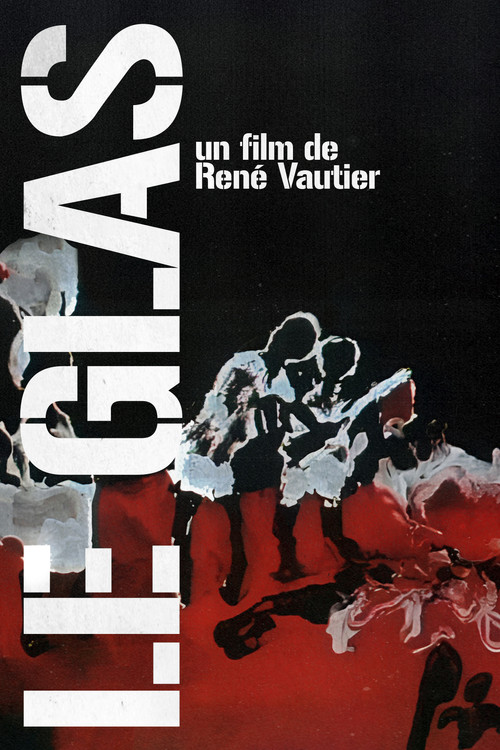
The Death Knell 1964
In 1964, French filmmaker René Vautier crafted *The Death Knell*, a raw and urgent documentary that confronts colonial brutality in Southern Rhodesia.
Director: René Vautier
Cast
Frequently Asked Questions
What is *The Death Knell* (1964) about?
*The Death Knell* exposes a grim chapter in Zimbabwe's history, where three Black revolutionaries were executed despite a royal pardon. The documentary follows filmmaker René Vautier's fight to expose this injustice, culminating in a banned film that became a symbol of anti-colonial resistance.
Who directed *The Death Knell*?
*The Death Knell* was directed by René Vautier, a pioneering French filmmaker known for his politically charged documentaries that challenged colonial oppression.
Who stars in *The Death Knell*?
The film features Djibril Diop Mambéty, a prominent Senegalese actor and filmmaker, alongside members of ZAPU (Zimbabwe African Party for Unity).
Is *The Death Knell* (1964) worth watching?
As a six-minute documentary, *The Death Knell* may lack the polish of narrative films, but its historical significance and unflinching portrayal of injustice make it compelling for fans of political cinema. Its rarity and impact outweigh its brevity, offering a vital perspective on decolonization struggles.
How long is *The Death Knell*?
The runtime of *The Death Knell* is 6 minutes.
The Death Knell (1964): René Vautier's Fiery Documentary on Colonial Atrocities
In 1964, French filmmaker René Vautier crafted *The Death Knell*, a raw and urgent documentary that confronts colonial brutality in Southern Rhodesia. The film exposes the execution of three Black revolutionaries, spared by the Queen of England yet hanged by the oppressive Ian Smith regime in Salisbury (now Harare). Shot clandestinely in Algeria after Vautier's expulsion by Rhodesian authorities—allegedly tipped off by French intelligence—the documentary serves as a searing indictment of imperialism's cruelty.
With a runtime of just six minutes, *The Death Knell* packs a haunting punch, blending documentary realism with activist fervor. Starring Djibril Diop Mambéty in a key role, the film's themes of resistance, injustice, and decolonization resonate powerfully, offering a glimpse into the struggles of Zimbabwe's fight for freedom. Its atmospheric tone is one of defiance, making it a pivotal work in the history of political cinema.