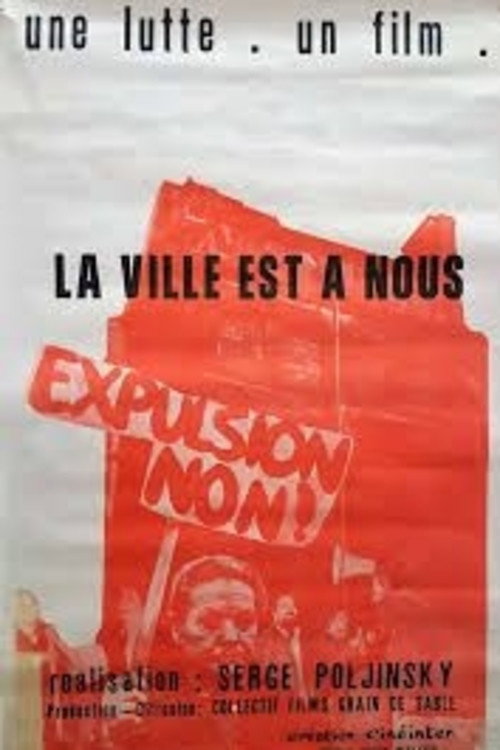
La ville est à nous 1976
Step into the vibrant streets of 1970s urban life with *La ville est à nous (1976)*, a documentary that immerses viewers in the raw energy and social pulse of the era.
Director: Serge Poljinsky
Frequently Asked Questions
What is La ville est à nous (1976) about?
This documentary dives into the social and architectural transformations of a 1970s city, blending cultural snapshots with the voices of its residents. It's a visual journey through urban life, highlighting the interplay between past and present in a rapidly changing environment.
Who directed La ville est à nous?
Serge Poljinsky directed this insightful urban documentary, bringing a unique perspective to the genre with his focus on social and cultural narratives.
Who stars in La ville est à nous?
Director information is not available for additional cast details.
Is La ville est à nous (1976) worth watching?
As a documentary rooted in 1970s urban themes, *La ville est à nous* offers a fascinating glimpse into the era's social dynamics. While it may lack mainstream appeal, its cultural and historical value makes it a worthwhile watch for enthusiasts of documentary films.
How long is La ville est à nous?
Runtime details are not listed.
About La ville est à nous (1976) — A 1970s Urban Documentary Capturing Social Change
Step into the vibrant streets of 1970s urban life with *La ville est à nous (1976)*, a documentary that immerses viewers in the raw energy and social pulse of the era. Directed by the enigmatic Serge Poljinsky, this film captures the essence of a city in flux—where architecture, culture, and human stories intertwine to paint a vivid portrait of community and change. Through Poljinsky's lens, the documentary explores themes of urban identity, collective memory, and the relentless march of progress, all set against the backdrop of bustling streets and quiet neighborhoods.
As a time capsule of its time, *La ville est à nous (1976)* stands out as more than just a historical record—it's a celebration of resilience and renewal. The film's atmospheric storytelling invites audiences to reflect on how cities evolve and the people who shape them, making it a compelling watch for fans of documentary films and urban narratives alike.