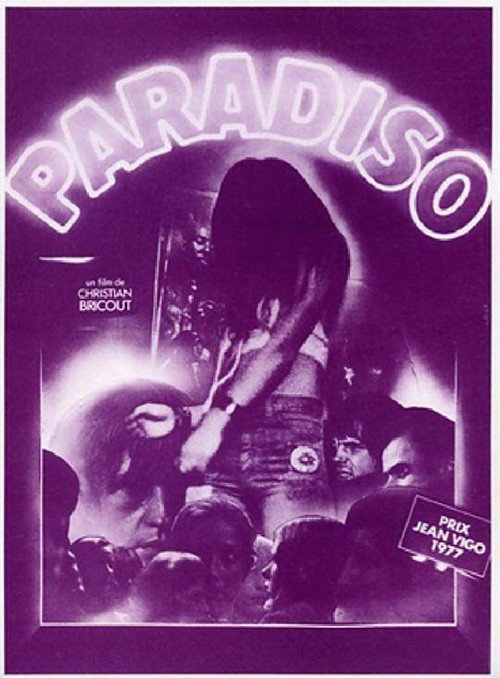
Paradiso 1977
Christian Bricout's French drama *Paradiso (1977)* unfolds over 84 minutes, weaving a contemplative exploration of memory, loss, and the fragile boundaries between reality and dream.
Director: Christian Bricout
Frequently Asked Questions
What is Paradiso (1977) about?
*Paradiso (1977)* centers on a character grappling with the ghosts of their past, as they wander through a world where time feels suspended. The film examines themes of nostalgia and the search for meaning, all framed within a deeply personal narrative that challenges perceptions of happiness and fulfillment.
Who directed Paradiso?
Director Christian Bricout helmed *Paradiso (1977)*, crafting a visually restrained yet emotionally resonant film.
Who stars in Paradiso?
Cast details for *Paradiso (1977)* are not publicly listed.
Is Paradiso (1977) worth watching?
Given its thoughtful exploration of universal themes and Bricout's distinctive direction, *Paradiso* appeals to fans of slow-burn dramas. While unrated on IMDb, its atmospheric storytelling and reflective pace make it a compelling choice for those seeking introspective cinema.
How long is Paradiso?
The runtime of *Paradiso* is 84 minutes.
About Paradiso (1977) — Christian Bricout's Poignant Drama of Memory and Reflection
Christian Bricout's French drama *Paradiso (1977)* unfolds over 84 minutes, weaving a contemplative exploration of memory, loss, and the fragile boundaries between reality and dream. Set against a muted urban backdrop, the film follows a solitary protagonist navigating emotional turbulence as they confront past choices and the haunting presence of what might have been. The director's restrained visual style and deliberate pacing create an atmosphere of quiet introspection, where every glance and silence carries weight. Themes of redemption and the ephemeral nature of happiness linger long after the credits roll, inviting viewers to reflect on their own journeys through paradise lost and found.
Bricout's nuanced direction elevates *Paradiso (1977)* beyond a simple personal drama, positioning it as a reflective piece about human connections and the illusions we construct. The film's intimate scale and subtle performances draw audiences into a world where every detail feels significant, blending melancholy with fleeting moments of warmth. Whether you're drawn to its philosophical undercurrents or its atmospheric storytelling, *Paradiso* offers a cinematic experience that lingers in the mind.