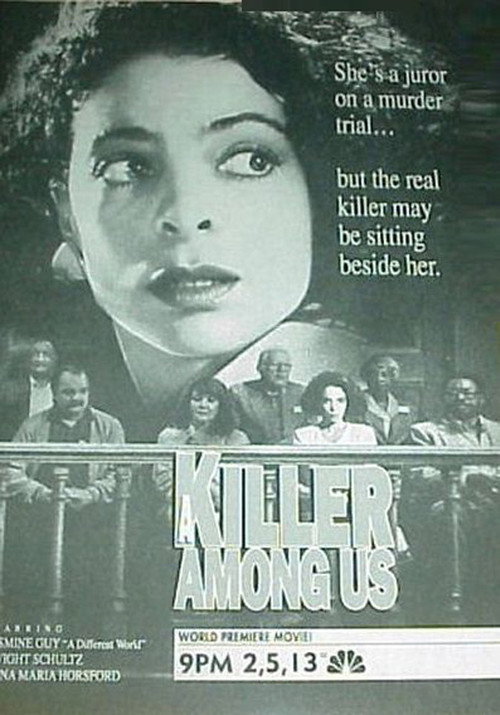
A Killer Among Us 1990
"She's a juror on a murder trial... but the real killer may be sitting beside her."
A tense 1990 TV drama-thriller, *A Killer Among Us* follows Theresa, a determined juror who risks everything to uncover the truth behind a high-stakes assassination trial.
Director: Peter Levin
Cast








Frequently Asked Questions
What is A Killer Among Us (1990) about?
The film centers on Theresa, a juror who becomes convinced that a fellow jury member holds the key to a shocking assassination trial. As she battles skepticism, she uncovers a dangerous secret that could upend the entire justice system.
Who directed A Killer Among Us?
Peter Levin directed this gripping courtroom thriller, known for his work in suspenseful dramas and TV movies.
Who stars in A Killer Among Us?
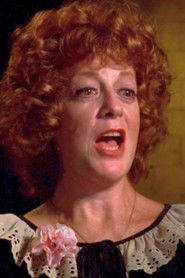
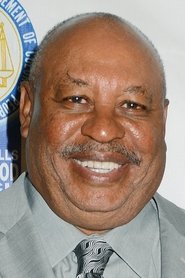
The film features Jasmine Guy, Anna Maria Horsford, Mykelti Williamson, Dwight Schultz, and Lisa Banes in pivotal roles.
Is A Killer Among Us (1990) worth watching?
With its taut suspense and strong performances, *A Killer Among Us* is a solid pick for fans of 90s TV thrillers. While not a cinematic masterpiece, it delivers engaging drama and a compelling premise that keeps viewers hooked.
How long is A Killer Among Us?
The film runs for 100 minutes, offering a tightly paced narrative perfect for a single viewing.
About A Killer Among Us (1990) — A Juror's Fight Against a Hidden Killer
A tense 1990 TV drama-thriller, *A Killer Among Us* follows Theresa, a determined juror who risks everything to uncover the truth behind a high-stakes assassination trial. As the jury debates the innocence of a young defendant, Theresa senses something sinister in their midst—one juror possesses unsettling details not revealed in court. With no allies in her pursuit, she takes matters into her own hands, unraveling a web of deceit that could redefine justice.
Directed by Peter Levin and starring Jasmine Guy and Anna Maria Horsford, this gripping courtroom drama blends psychological suspense with sharp social commentary. The film's claustrophobic atmosphere mirrors the jury's isolation, while its themes of paranoia and moral ambiguity linger long after the verdict is delivered.