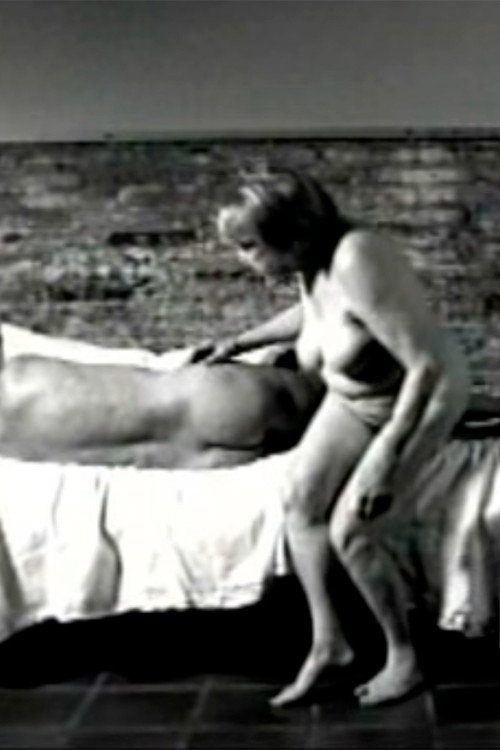
Teoría de los cuerpos 2004
Dive into the enigmatic world of *Teoría de los cuerpos (2004)*, a hauntingly brief yet evocative short film directed by Isaki Lacuesta.
Director: Isaki Lacuesta
Frequently Asked Questions
What is *Teoría de los cuerpos (2004)* about?
*Teoría de los cuerpos* is a cryptic, five-minute exploration of existence and impermanence, where visuals and sound collide to create an experience that feels like a half-remembered dream. The film doesn't rely on dialogue or traditional plot; instead, it immerses viewers in a sensory puzzle that challenges perceptions of time and reality.
Who directed *Teoría de los cuerpos*?
*Teoría de los cuerpos* was directed by Isaki Lacuesta, an acclaimed Spanish filmmaker celebrated for his avant-garde and poetic approach to cinema.
Who stars in *Teoría de los cuerpos*?
The film's cast details are not publicly listed, but as a short film, it likely features a mix of emerging and established actors within Lacuesta's artistic circle.
Is *Teoría de los cuerpos (2004)* worth watching?
If you're a fan of experimental cinema or films that prioritize atmosphere over narrative, *Teoría de los cuerpos* is absolutely worth watching—despite its brevity. Its ability to evoke emotion and curiosity in just five minutes makes it a standout in Lacuesta's filmography and a compelling watch for those who crave something different.
How long is *Teoría de los cuerpos*?
*Teoría de los cuerpos* runs for 5 minutes.
About Teoría de los cuerpos (2004) — Isaki Lacuesta's 5-Minute Cinematic Enigma Explored
Dive into the enigmatic world of *Teoría de los cuerpos (2004)*, a hauntingly brief yet evocative short film directed by Isaki Lacuesta. Clocking in at just five minutes, this cinematic experiment defies conventional storytelling, weaving a visual and auditory tapestry that lingers long after the credits roll. Lacuesta, known for his bold and unconventional approach to filmmaking, crafts a narrative that feels more like a dream sequence than a traditional movie. The film explores themes of existence, fragility, and the ephemeral nature of human presence, all wrapped in an atmospheric shroud that blurs the line between reality and illusion.
While details about the cast and genre remain scarce, the focus here is squarely on the film's artistic ambition. The minimalist runtime doesn't diminish the impact; instead, it amplifies the film's ability to provoke thought and emotion in its fleeting duration. *Teoría de los cuerpos (2004)* is a study in contrasts—silence meets sudden bursts of intensity, stillness clashes with movement, and the ordinary transforms into something deeply mysterious. For those who appreciate cinema as an art form, this short film is a must-see glimpse into Lacuesta's visionary style.