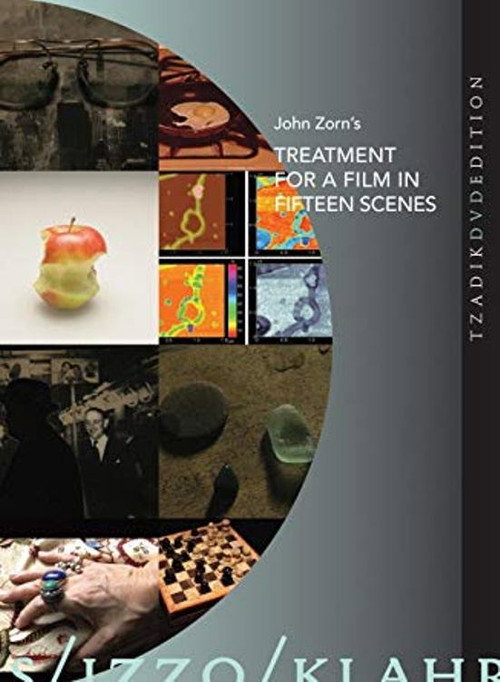
Well Then There Now 2011
Directed by Lewis Klahr, *Well Then There Now* (2011) is a fascinating 19-minute experimental short that reimagines John Zorn's 1980s film script "A Treatment For A Film in 15 Scenes.
Director: Lewis Klahr
Frequently Asked Questions
What is Well Then There Now (2011) about?
*Well Then There Now* reimagines John Zorn's 1980s film script as a series of distinct visual moments, transforming his shot list into an abstract yet rhythmic experience. The film plays with imagery and pacing, creating a collage-like journey that feels both playful and introspective.
Who directed Well Then There Now?
Lewis Klahr directed *Well Then There Now*. Known for his experimental approach to filmmaking, Klahr often explores themes of abstraction and visual storytelling.
Who stars in Well Then There Now?
Cast details for *Well Then There Now* are not provided.
Is Well Then There Now (2011) worth watching?
As a 19-minute avant-garde short, *Well Then There Now* offers a unique viewing experience for those interested in experimental cinema. Its abstract nature may not appeal to everyone, but it's a thoughtful exploration of visual language and rhythm.
How long is Well Then There Now?
*Well Then There Now* runs for 19 minutes.
About Well Then There Now (2011) — Experimental Short Film Exploring Visual Narratives
Directed by Lewis Klahr, *Well Then There Now* (2011) is a fascinating 19-minute experimental short that reimagines John Zorn's 1980s film script "A Treatment For A Film in 15 Scenes." Unlike a traditional narrative, Klahr crafts a playful yet profound exploration of individual images, treating each frame as a distinct moment in a larger visual puzzle. The film blends abstract visuals with rhythmic pacing, inviting viewers into a dreamlike journey where every shot feels like a clue in an ever-shifting collage.
Atmospherically, it balances whimsy and introspection, offering a hypnotic experience that lingers long after the credits roll. Ideal for fans of avant-garde cinema, *Well Then There Now* challenges conventional storytelling while celebrating the raw power of the moving image.