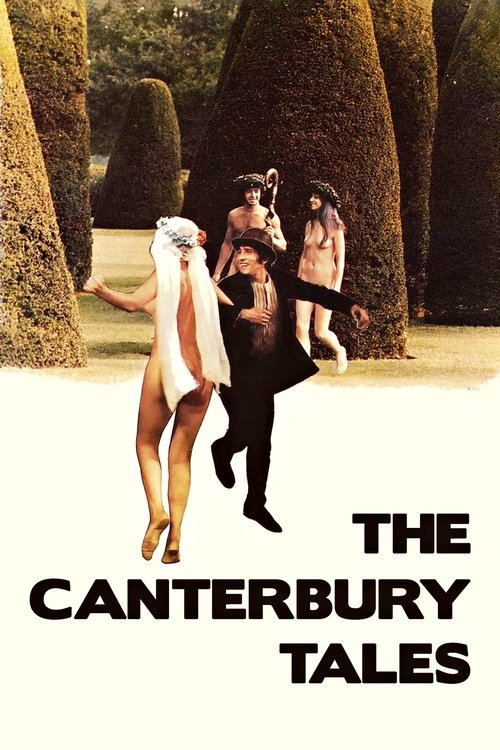
The Canterbury Tales 1972
"From the team that gave you "Decameron", Geoffrey Chaucer's Lustiest Tales of Merrie Olde England!"
Pier Paolo Pasolini's vibrant 1972 adaptation breathes life into Geoffrey Chaucer's medieval masterpiece, weaving together a tapestry of bawdy, tragic, and utterly human tales set against the rustic charm of Merrie Olde England.
Director: Pier Paolo Pasolini
Cast
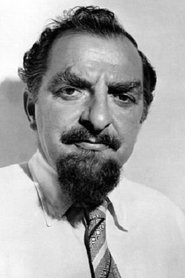
Hugh Griffith
Sir January
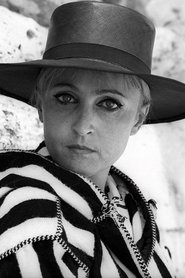
Laura Betti
The Wife from Bath
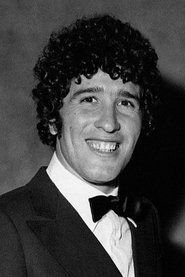
Ninetto Davoli
Perkin
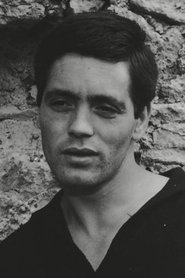
Franco Citti
Devil

Josephine Chaplin
May
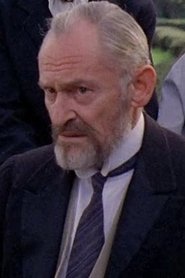
Alan Webb
Old Man
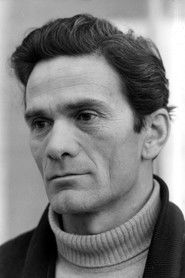
Pier Paolo Pasolini
Geoffrey Chaucer
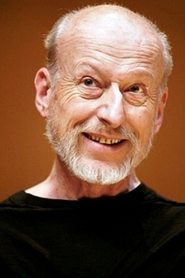
Vernon Dobtcheff
The Franklin
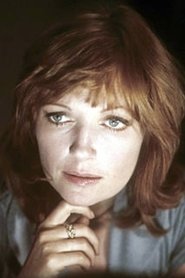
Jenny Runacre
Alison
Adrian Street
Fighter
Frequently Asked Questions
What is The Canterbury Tales (1972) about?
This 1972 film reimagines several of Geoffrey Chaucer's most famous tales, blending humor, drama, and social commentary into a sprawling medieval narrative. Rather than a straightforward adaptation, Pasolini weaves Chaucer's own presence as a narrator throughout, giving the stories a personal and immersive touch. The result is a film that captures the raw, unfiltered spirit of Chaucer's work, from ribald humor to poignant reflections on human nature.
Who directed The Canterbury Tales?
The Canterbury Tales was directed by the visionary Italian filmmaker Pier Paolo Pasolini, known for his bold and often controversial explorations of history, politics, and society.
Who stars in The Canterbury Tales?
Hugh Griffith leads the cast as Geoffrey Chaucer, with standout performances from Laura Betti, Ninetto Davoli, and Franco Citti rounding out the ensemble.
Is The Canterbury Tales (1972) worth watching?
While not rated on IMDb, The Canterbury Tales (1972) is a must-watch for fans of Pasolini's work or historical dramas with a twist. Its blend of comedy, drama, and social satire offers something for everyone, even if its bawdy tone isn't for every taste. If you're curious about medieval storytelling or Pasolini's unique voice, this film is a fascinating dive into his creative legacy.
How long is The Canterbury Tales?
The Canterbury Tales (1972) runs for 111 minutes, or just under two hours, making it a concise yet immersive cinematic experience.
🎥 Trailer
About The Canterbury Tales (1972) — Pier Paolo Pasolini's Bold and Bawdy Medieval Classic
Pier Paolo Pasolini's vibrant 1972 adaptation breathes life into Geoffrey Chaucer's medieval masterpiece, weaving together a tapestry of bawdy, tragic, and utterly human tales set against the rustic charm of Merrie Olde England. The film doesn't just recount Chaucer's stories—it immerses viewers in their raw, unfiltered essence, blending earthy humor with moments of deep reflection. With Hugh Griffith's commanding presence as Chaucer himself and a stellar ensemble cast including Laura Betti and Ninetto Davoli, Pasolini crafts a film that balances satire, sensuality, and social commentary, all wrapped in the golden glow of period drama. The Canterbury Tales (1972) is a bold, visually rich exploration of human nature, where every tale serves as a mirror to society's virtues and vices.
A celebration of storytelling at its most audacious, this 1972 gem is part comedy, part historical drama, and entirely unforgettable. Pasolini's direction infuses each segment with a distinct tone—some playful, others dark—echoing Chaucer's own layered narrative style. The film's atmosphere is one of rustic authenticity, where the medieval world feels both distant and intimately accessible. Whether you're drawn to its humor, its history, or its daring portrayal of human folly, The Canterbury Tales (1972) stands as a testament to the power of cinema to revive timeless stories with fresh, vibrant energy.