Chronoma 1977
Chronoma (1977), directed by Jean-Michel Bouhours, is a hypnotic 22-minute experimental short that blends art, photography, and music into a mesmerizing study of movement and time.
Director: Jean-Michel Bouhours
Frequently Asked Questions
What is Chronoma (1977) about?
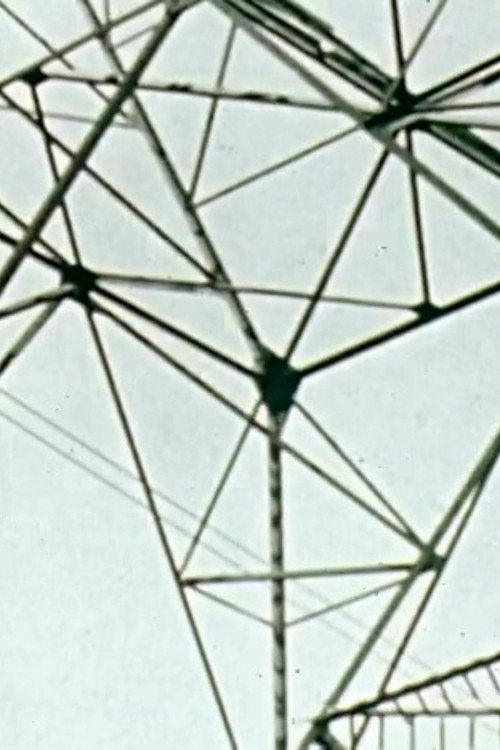
Chronoma is a short experimental film that captures a slow, circular movement of photographs around a high-voltage electric tower in Paris. The piece uses repetitive photographic sequences to create a meditative rhythm, turning static urban structures into a dynamic visual experience.
Who directed Chronoma?
Jean-Michel Bouhours directed Chronoma (1977). His work often explores the intersection of photography, music, and experimental filmmaking, blending repetitive processes with visual artistry.
Who stars in Chronoma?
Cast details for Chronoma (1977) are not listed.
Is Chronoma (1977) worth watching?
Given its experimental nature and 22-minute runtime, Chronoma (1977) is best suited for viewers who appreciate avant-garde cinema or artistic short films. Its unique visual style and meditative pacing offer a one-of-a-kind experience, though it may not appeal to those seeking traditional storytelling.
How long is Chronoma?
Chronoma (1977) has a runtime of 22 minutes.
About Chronoma (1977) — Jean-Michel Bouhours' Experimental Visual Symphony
Chronoma (1977), directed by Jean-Michel Bouhours, is a hypnotic 22-minute experimental short that blends art, photography, and music into a mesmerizing study of movement and time. Shot with a proto-movie camera, the film captures a series of photographs taken in a slow, circular motion around a high-voltage electric tower in northern Paris, transforming static structures into a dynamic exploration of angles and light. Inspired by Steve Reich's repetitive musical processes, the piece unfolds like a visual symphony, where each frame gradually shifts into the next, creating a meditative rhythm that lingers long after the credits roll.
The film's minimalist approach strips away narrative entirely, opting instead for a pure visual and auditory experience that challenges viewers to engage with the interplay of geometry, technology, and urban landscapes. With its stark black-and-white imagery and precise composition, Chronoma (1977) isn't just a movie—it's an invitation to slow down and observe the world in a way that feels both futuristic and timeless.