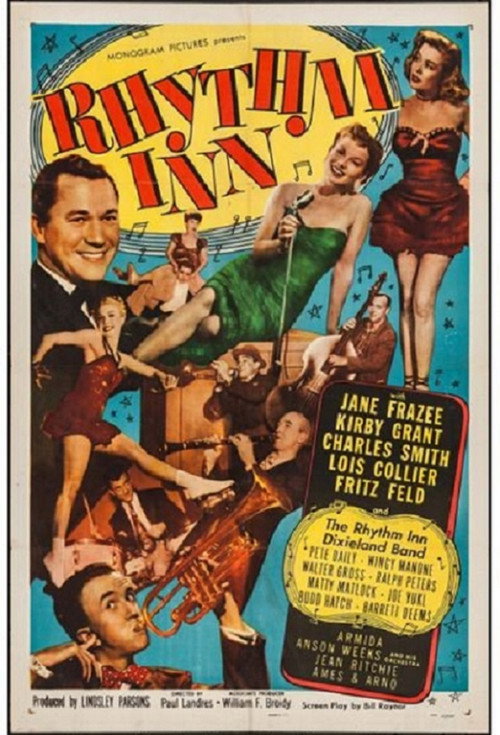
Rhythm Inn 1951
In the lively post-war world of Rhythm Inn (1951), a down-on-his-luck bandleader risks everything to rescue his orchestra's instruments from a pawnshop.
Director: Paul Landres
Cast




Frequently Asked Questions
What is Rhythm Inn (1951) about?
Rhythm Inn follows a struggling bandleader who pawns his orchestra's instruments and strikes a risky bargain to get them back overnight. The deal involves his lead singer performing a hopeful songwriter's compositions, but his jealous girlfriend sees something far more sinister in the arrangement.
Who directed Rhythm Inn?
Paul Landres directed Rhythm Inn, lending the film his signature blend of musical flair and comedic timing.
Who stars in Rhythm Inn?
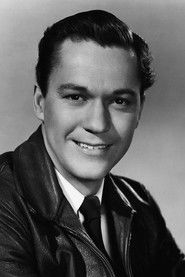
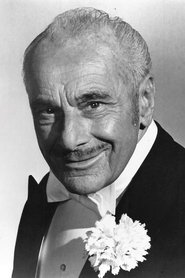
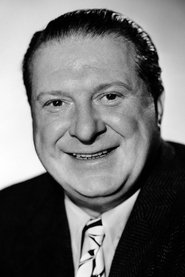
Jane Frazee headlines the cast as the band's captivating singer, with Kirby Grant, Lois Collier, and Charles Smith rounding out the leading roles.
Is Rhythm Inn (1951) worth watching?
As a compact 73-minute comedy, Rhythm Inn offers a nostalgic escape into the world of 1950s big bands and romantic misunderstandings. Fans of lighthearted musicals and clever plot twists will find plenty to enjoy in this underrated gem.
How long is Rhythm Inn?
Rhythm Inn runs for 73 minutes.
About Rhythm Inn (1951) — A Swinging Comedy of Songs, Deals, and Romantic Mischief
In the lively post-war world of Rhythm Inn (1951), a down-on-his-luck bandleader risks everything to rescue his orchestra's instruments from a pawnshop. To secure the gear overnight, he strikes a deal with the clerk—a hopeful songwriter—promising that his star vocalist will perform the clerk's original tunes at a neighborhood hotspot. But when the clerk's suspicious girlfriend misinterprets the arrangement as romantic rivalry, chaos erupts. Directed by Paul Landres, this lighthearted comedy blends the charm of golden-age big bands with the playful tensions of mid-century romance.
Starring Jane Frazee as the charismatic singer, Kirby Grant as the eager songwriter, and Lois Collier as the skeptical sweetheart, Rhythm Inn captures the sparkle of 1950s cinema. The film's breezy atmosphere contrasts cleverly with its melodramatic undertones, exploring themes of ambition, trust, and the fine line between artistic collaboration and personal jealousy.