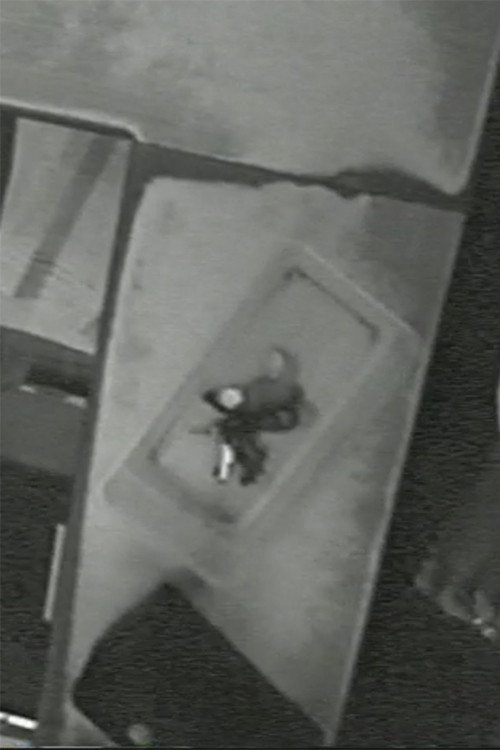
Second Shift 1999
Dive into the quiet intensity of *Second Shift (1999)*, Kevin Jerome Everson's striking documentary short that strips back the routine of a correctional officer's workday.
Director: Kevin Jerome Everson
Frequently Asked Questions
What is *Second Shift* (1999) about?
*Second Shift* follows a correctional officer as they perform their daily task of entering a detention facility. The film captures the repetitive, almost meditative nature of this routine, turning a simple act into a study of institutional life and the unspoken pressures of public service.
Who directed *Second Shift*?
The film was directed by Kevin Jerome Everson, a filmmaker known for his observational and minimalist style in short films.
Who stars in *Second Shift*?
The main cast includes the unnamed correctional officer, whose role is central to the film's narrative.
Is *Second Shift* (1999) worth watching?
As a documentary short, *Second Shift* offers a quietly powerful take on routine and institutional life. Its brevity and focus make it ideal for viewers interested in experimental or social-documentary filmmaking. While it may not suit everyone, its atmospheric tone and thematic depth give it lasting appeal.
How long is *Second Shift*?
The runtime is approximately 4 minutes.
About Second Shift (1999) — A Minimalist Documentary on Institutional Routine
Dive into the quiet intensity of *Second Shift (1999)*, Kevin Jerome Everson's striking documentary short that strips back the routine of a correctional officer's workday. Shot with minimalist precision, the film zeroes in on the mundane yet loaded act of entering a detention facility—each key turn and badge check unfolding like a rhythmic tension between duty and monotony. The atmosphere is stark and observational, a snapshot of institutional life that lingers long after the credits roll.
While brief at just over four minutes, *Second Shift* holds a mirror to the overlooked corners of public service, framing the repetitive motions of authority with a contemplative gaze. Everson's direction avoids sensationalism, instead inviting viewers to reflect on the human cost of systems designed to confine. It's a film that thrives on silence, where the absence of dialogue speaks volumes about the weight of routine and the unseen labor behind institutional walls.