Photography 1971
In Pál Zolnay's *Photography* (1971), the camera's magic transforms fleeting moments into enduring illusions.
Director: Pál Zolnay
Cast
Frequently Asked Questions
What is Photography (1971) about?
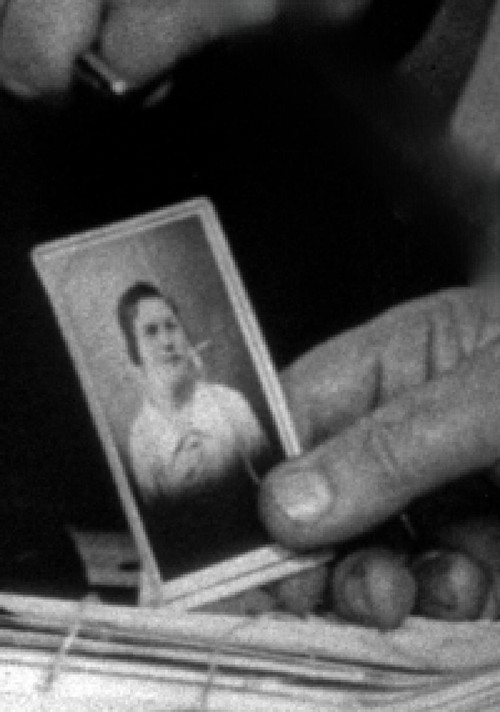
This short documentary follows wandering photographers as they capture posed portraits of strangers, blending reality with artifice. A mother's dissatisfaction with her photo leads to a retoucher's clever adjustments, highlighting how photography reshapes identity.
Who directed Photography?
Pál Zolnay directed *Photography* (1971), creating a precursor to his feature-length film with his signature blend of wit and warmth.
Who stars in Photography?
The film features Gyula Benedek, Mihály Pethő, and József Ferencz among its key participants in this behind-the-scenes documentary.
Is Photography (1971) worth watching?
As a 15-minute documentary, *Photography* offers a charming glimpse into the art of portraiture with subtle humor and nostalgia. While unrated, its historical charm and Zolnay's directorial touch make it a delightful watch for fans of classic film techniques.
How long is Photography?
The film runs for 15 minutes.
About Photography (1971) — A playful look at mid-century portrait photography's illusions
In Pál Zolnay's *Photography* (1971), the camera's magic transforms fleeting moments into enduring illusions. This affectionate, short documentary captures the quirks of mid-century portrait photography, where photographers roam the countryside to freeze strangers in time—even if they never stood together in real life. A hardened soldier finds himself posed beside a civilian, while a mother scrutinizes her portrait with dissatisfaction, prompting a retoucher's subtle intervention. The film blends irony with warmth, revealing how photography reshapes identity and memory.
Zolnay's gentle satire mirrors the era's reliance on staged images, where reality bends to fit the frame. The 15-minute runtime unfolds with a rhythmic charm, highlighting the absurd and tender moments that arise when people confront their own reflections. A study for Zolnay's later feature, *Photography* (1971) remains a playful yet insightful portrait of how images shape perception.