Slave Widow 1967
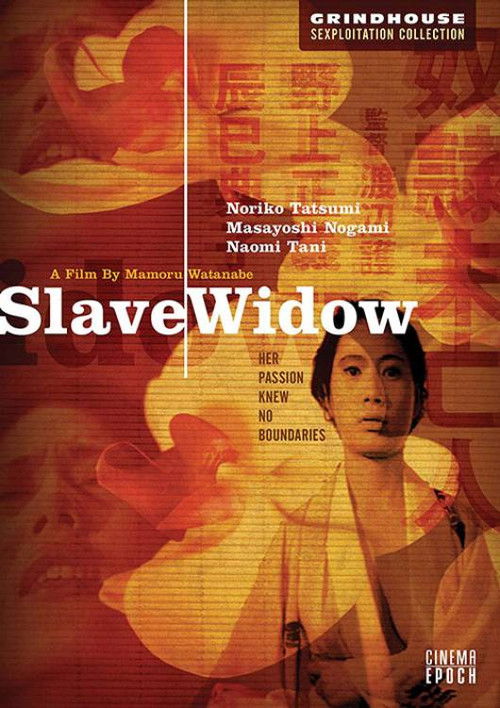
In this emotionally charged drama from 1967, *Slave Widow* explores themes of despair, power, and unexpected redemption through the story of Mitsuko Fuji, a young widow left vulnerable after her husband's sudden death.
Director: Mamoru Watanabe
Cast
Noriko Tatsumi
Mitsuko Fuji

Naomi Tani
Mariko
Mari Iwai
Maya
Michiko Yamanaka
Tadashi Oizumi
Kito
Suzuko Takamura
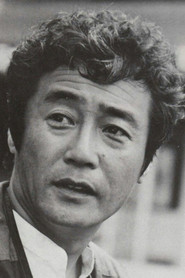
Masayoshi Nogami
Kazuhiko
Frequently Asked Questions
What is Slave Widow (1967) about?
*Slave Widow* follows Mitsuko Fuji, a young widow who, after her husband's suicide leaves her drowning in debt, becomes trapped in a morally treacherous arrangement with his creditor. Her only chance for escape lies in the unlikely affection of Kito's son, a relationship that tests the boundaries of power and desire.
Who directed Slave Widow?
Mamoru Watanabe directed *Slave Widow* (1967). The film showcases his ability to blend intimate character drama with the harsh realities of post-war Japan.
Who stars in Slave Widow?
The film features Noriko Tatsumi, Naomi Tani, Mari Iwai, Michiko Yamanaka, and Tadashi Oizumi in key roles.
Is Slave Widow (1967) worth watching?
*Slave Widow* is a compelling if morally complex drama that offers a rare glimpse into the pressures faced by women in a patriarchal society. While it lacks an IMDb rating, its themes and atmosphere make it a rewarding watch for fans of vintage Japanese cinema and intense character studies.
How long is Slave Widow?
The runtime for *Slave Widow* (1967) is 75 minutes.
About Slave Widow (1967) — A Widow's Struggle for Redemption in a Cruel World
In this emotionally charged drama from 1967, *Slave Widow* explores themes of despair, power, and unexpected redemption through the story of Mitsuko Fuji, a young widow left vulnerable after her husband's sudden death. Directed by Mamoru Watanabe, the film unfolds in a claustrophobic atmosphere of coercion and vulnerability as Mitsuko finds herself entangled in a web of debt and manipulation. Her only glimmer of hope comes from Kito's son, whose quiet admiration offers a fragile path to escape her grim circumstances. With its stark portrayal of human fragility and resilience, *Slave Widow (1967)* blends romance and drama into a tense narrative that lingers long after the credits roll.
The film's black-and-white cinematography amplifies the tension, casting long shadows over Mitsuko's struggle against a predatory world. Watanabe's direction balances raw emotion with restraint, focusing on the quiet desperation of its protagonist as she navigates a landscape where kindness is as rare as it is perilous. A forgotten gem of Japanese cinema, *Slave Widow* stands out for its unflinching gaze at societal pressures and the fragile bonds that defy them.