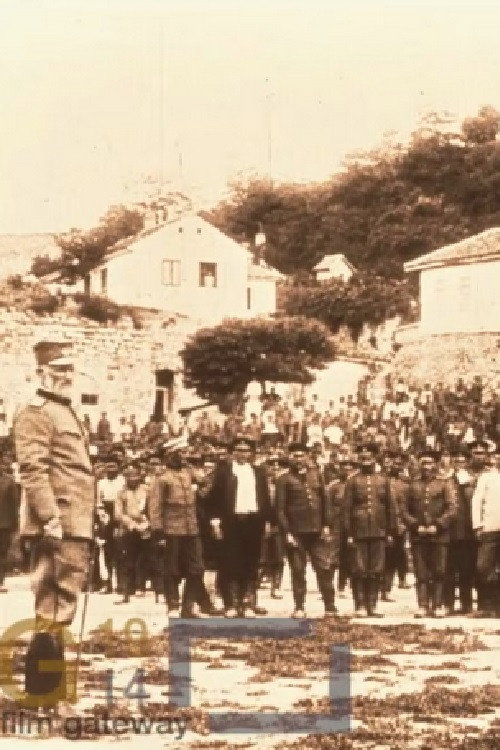
Bulgarian POWs in Belgrade 1913
Step back into 1913 with *Bulgarian POWs in Belgrade*, a rare silent documentary capturing a pivotal moment in the Second Balkan War.
Director: Đorđe Bogdanović
Frequently Asked Questions
What is Bulgarian POWs in Belgrade (1913) about?
This short documentary records the transport of Bulgarian prisoners of war to Belgrade in June 1913 after their capture by Serbian forces. It chronicles their temporary internment at Kalemegdan Fortress, offering a raw historical snapshot of the Second Balkan War.
Who directed Bulgarian POWs in Belgrade?
The film was directed by Đorđe Bogdanović, a filmmaker whose work contributed to early Serbian cinema during a transformative period in history.
Who stars in Bulgarian POWs in Belgrade?
Cast details for this 1913 documentary are not recorded. As a silent historical film, it focuses on real events rather than fictional characters.
Is Bulgarian POWs in Belgrade (1913) worth watching?
With a runtime of just four minutes and no IMDb rating, it may appeal primarily to history enthusiasts and students of early cinema. While not a mainstream feature, its cultural and historical value makes it a noteworthy watch for those interested in Balkan conflicts and silent films.
How long is Bulgarian POWs in Belgrade?
The film has a runtime of 4 minutes.
About Bulgarian POWs in Belgrade (1913) — The silent testament of wartime history captured on film
Step back into 1913 with *Bulgarian POWs in Belgrade*, a rare silent documentary capturing a pivotal moment in the Second Balkan War. Directed by Đorđe Bogdanović, this four-minute film documents the arrival of captured Bulgarian soldiers by train in Belgrade on June 21, 1913, following fierce battles with Serbian forces. Thousands of Bulgarian officers and soldiers were subsequently held at the iconic Kalemegdan Fortress, marking a somber chapter in wartime history.
The film offers a haunting glimpse into early 20th-century conflict, blending historical significance with the stark realism of prisoner-of-war life. Shot in a documentary style, it preserves the tension and gravity of a war-torn era while evoking the resilience of those caught in its grip. Though brief, its impact lingers, serving as both a historical artifact and a poignant reflection on the human cost of war.