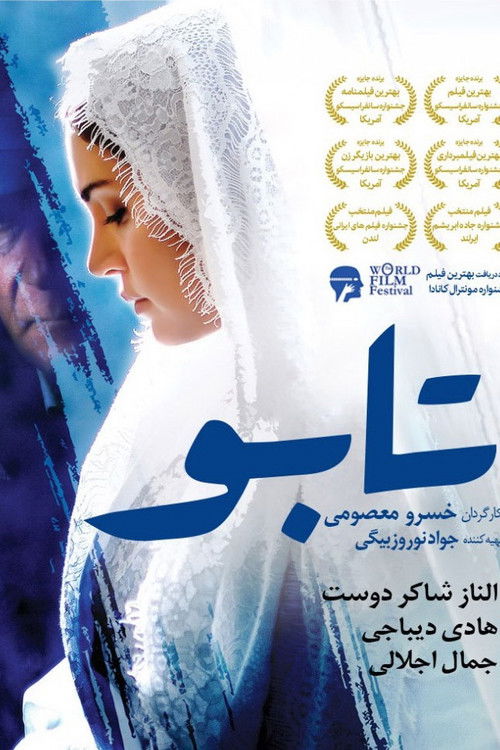
Taboo 2015
Set against the misty forests of northern Iran, *Taboo (2015)* unfolds a gripping drama directed by Khosro Masumi.
Director: Khosro Masumi
Cast

Frequently Asked Questions
What is Taboo (2015) about?
*Taboo* follows an older Iranian landowner with three legal wives who becomes fixated on his worker's 24-year-old daughter. The film examines how power dynamics and societal norms shape his actions, leading to a tense confrontation between desire and morality.
Who directed Taboo?
Khosro Masumi directed *Taboo (2015)*, bringing a stark and emotionally charged lens to the story.
Who stars in Taboo?
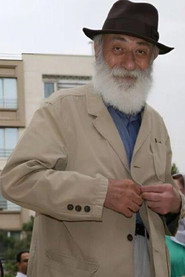
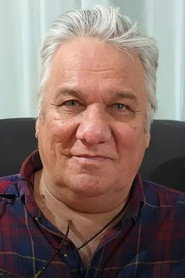
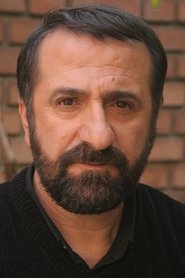
The film stars Elnaz Shakerdoost as the young woman at the center of the conflict, alongside Hadi Dibaji, Jamal Ejlali, and Jamshid Jahanzadeh in pivotal roles.
Is Taboo (2015) worth watching?
If you enjoy character-driven dramas that tackle controversial themes with realism, *Taboo* is worth watching. The film's tension and strong performances make it compelling, though its sensitive subject matter may not appeal to all audiences.
How long is Taboo?
The runtime of *Taboo (2015)* is 108 minutes.
About Taboo (2015) — A Forbidden Obsession in Iran's Northern Landscapes
Set against the misty forests of northern Iran, *Taboo (2015)* unfolds a gripping drama directed by Khosro Masumi. The story centers on a 67-year-old landowner who, despite being married to three women by law, becomes fixated on the daughter of one of his workers—a young woman barely 24. As societal expectations collide with personal desire, the film explores themes of power, age, and the blurred lines between consent and coercion. The atmosphere is tense, layered with quiet desperation as the protagonist's obsession threatens to unravel both his family and the lives of those around him.
With its stark realism and emotional depth, *Taboo* delves into the complexities of human relationships under traditional constraints. Masumi's direction draws out raw performances, particularly from Elnaz Shakerdoost, whose portrayal of the young woman anchors the film's moral questions. The narrative lingers on the consequences of unchecked privilege and the silent suffering of those caught in its shadow.