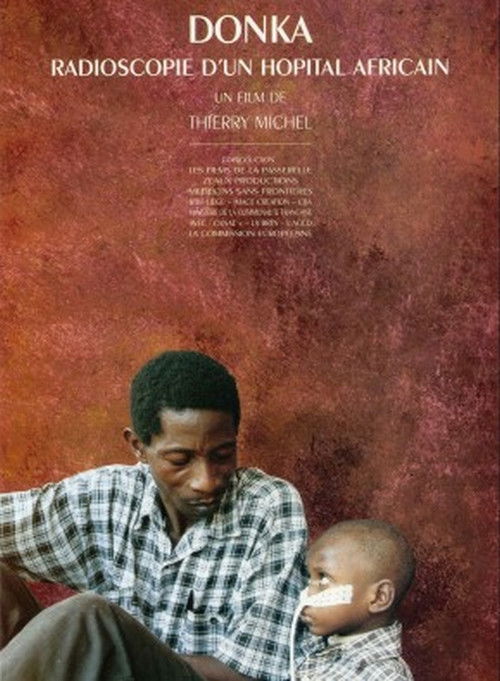
Donka, X-Ray of an African Hospital 1996
Step inside the bustling corridors of Conakry's Donka Hospital, the Republic of Guinea's largest public healthcare facility, in this compelling 1996 documentary by Belgian filmmaker Thierry Michel.
Director: Thierry Michel
Frequently Asked Questions
What is Donka, X-Ray of an African Hospital (1996) about?
The film immerses viewers in the daily operations of Donka Hospital in Conakry, Guinea, revealing the realities faced by doctors, patients, and families within a struggling public healthcare system. It's a raw, human-scale portrait of medicine in a resource-limited setting.
Who directed Donka, X-Ray of an African Hospital?
Thierry Michel, a renowned Belgian documentary filmmaker known for his humanistic and socially engaged cinema.
Who stars in Donka, X-Ray of an African Hospital?
The film features the real-life doctors, nurses, and patients of Donka Hospital, as well as the health workers dedicated to serving their community.
Is Donka, X-Ray of an African Hospital (1996) worth watching?
This moving documentary offers a rare, unfiltered glimpse into a critical healthcare crisis, making it essential viewing for fans of socially conscious cinema. While lacking a traditional plot, its authenticity and emotional depth justify the watch—especially for those interested in global health or documentary filmmaking.
How long is Donka, X-Ray of an African Hospital?
The film runs for 85 minutes.
Donka, X-Ray of an African Hospital (1996) — Unseen Stories from Guinea's Largest Public Hospital
Step inside the bustling corridors of Conakry's Donka Hospital, the Republic of Guinea's largest public healthcare facility, in this compelling 1996 documentary by Belgian filmmaker Thierry Michel.
Donka, X-Ray of an African Hospital (1996) offers an unflinching, intimate look at the daily struggles and quiet triumphs within a medical system stretched to its limits. Against a backdrop of resource constraints and relentless patient influx, the film captures the resilience of doctors, nurses, and families fighting to keep hope alive. With a raw, observational style, Michel exposes systemic challenges while celebrating the humanity at the heart of public medicine in West Africa. Expect a sobering yet humbling portrait of healthcare in a region where every resource is precious.
This isn't just a medical exposé—it's a deeply human story about care, endurance, and the quiet dignity of a nation's healthcare workers.