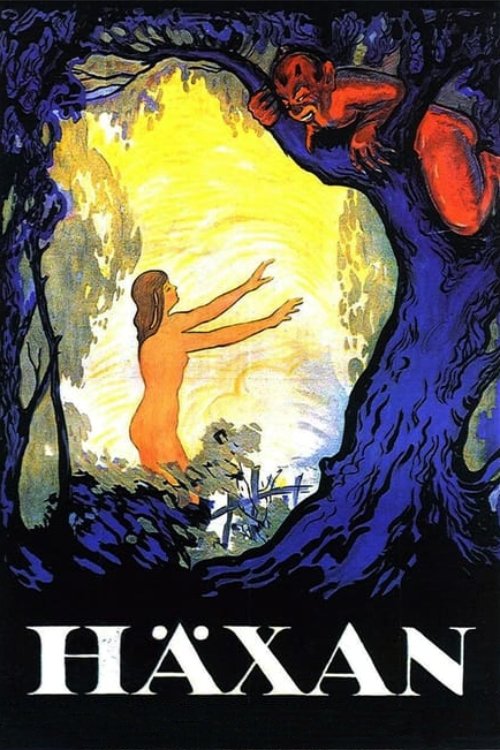
Häxan 1922
"But isn’t superstition still rampant among us?"
Benjamin Christensen's Häxan (1922) is a groundbreaking documentary that delves into the scientific hypothesis of medieval witch hysteria, drawing parallels with the psychological turmoil of psychiatric patients.
Director: Benjamin Christensen
Cast
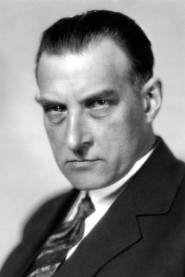
Benjamin Christensen
Devil
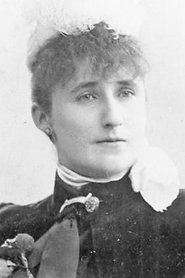
Ella La Cour
Karna / Sorceress
Emmy Schønfeld
Karna's Assistant
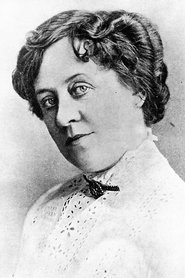
Kate Fabian
Old Maid
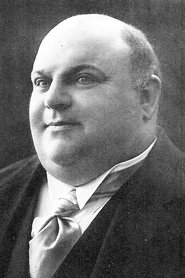
Oscar Stribolt
Fat Monk
Wilhelmine Henriksen
Apelone / A Poor Old Woman
Elisabeth Christensen
Anna's Mother
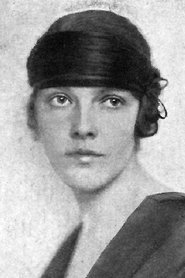
Astrid Holm
Anna
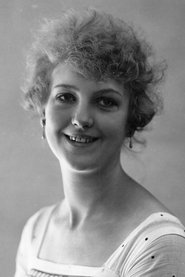
Karen Winther
Anna's Sister
Maren Pedersen
Maria the Weaver / A Witch
Frequently Asked Questions
What is Häxan (1922) about?
Benjamin Christensen's Häxan explores the scientific hypothesis of medieval witch hysteria, drawing parallels with psychiatric patients.
Who directed Häxan?
Häxan was directed by the renowned Benjamin Christensen, a pioneer of the horror genre.
Who stars in Häxan?
The talented cast of Häxan includes Benjamin Christensen, Ella La Cour, and Oscar Stribolt.
Is Häxan (1922) worth watching?
With its unique blend of documentary and horror, Häxan is a must-watch for fans of the genre, and its themes of superstition and hysteria remain eerily relevant today.
How long is Häxan?
Häxan has a runtime of 105 minutes.
🎥 Trailer
About Häxan (1922) — A Groundbreaking Documentary of Horror and History
Benjamin Christensen's Häxan (1922) is a groundbreaking documentary that delves into the scientific hypothesis of medieval witch hysteria, drawing parallels with the psychological turmoil of psychiatric patients. Through a series of dramatic vignettes, the film masterfully weaves together themes of superstition, torture, and the supernatural, creating a darkly humorous and visually striking experience. The movie's atmosphere is both eerie and captivating, making it a must-watch for fans of horror and history.
Grave robbing, possessed nuns, and a satanic Sabbath are just a few of the elements that make Häxan a witches' brew of the scary, the gross, and the humorous. With its unique blend of documentary and horror, this silent film is a true masterpiece of its time, and its influence can still be felt today.
Directed by Benjamin Christensen, Häxan features a talented cast, including Benjamin Christensen, Ella La Cour, and Oscar Stribolt, among others. The film's genre-bending approach has made it a cult classic, and its themes of superstition and hysteria remain eerily relevant in modern times.