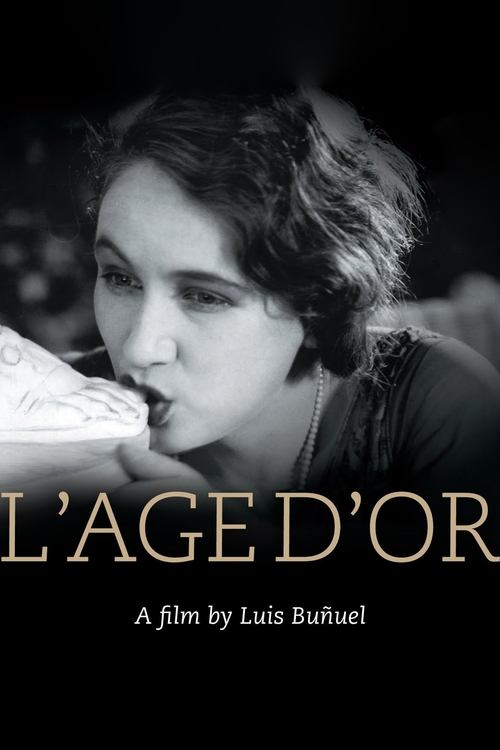
L'Âge d'or 1930
"A surrealist masterpiece."
Luis Buñuel's 1930 surrealist landmark *L'Âge d'or (1930)* weaves together fragmented vignettes to explore forbidden desire, societal repression, and the absurdity of bourgeois norms.
Director: Luis Buñuel
Cast
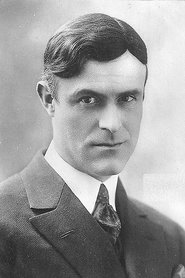
Gaston Modot
The Man

Lya Lys
The Woman
Caridad de Laberdesque
Marquise' Chambermaid / Girl at Blangis' Castle
Max Ernst
Bandit Leader in the Hut
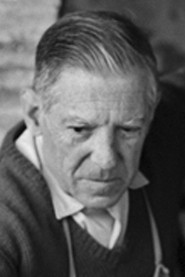
Josep Llorens Artigas
Governor

Lionel Salem
Duke of Blangis
Germaine Noizet
Marquise of X
Duchange
Orchestra Conductor
Bonaventura Ibáñez
Marquis of X

Jean Aurenche
Bandit (uncredited)
Frequently Asked Questions
What is L'Âge d'or (1930) about?
This surrealist classic chronicles a doomed romance between two lovers whose fiery passion is constantly thwarted by the rigid constraints of family, religion, and bourgeois society. Director Luis Buñuel crafts a series of vignettes that blur reality and dream, exposing the hypocrisy and repression lurking beneath everyday life.
Who directed L'Âge d'or?
The film was directed by Luis Buñuel, a pioneering figure in surrealist cinema whose provocative vision reshaped modern storytelling.
Who stars in L'Âge d'or?
The film features standout performances from Gaston Modot, Lya Lys, and Caridad de Laberdesque, with appearances by artists Max Ernst and Lionel Salem.
Is L'Âge d'or (1930) worth watching?
Absolutely—despite its underground reputation, *L'Âge d'or (1930)* is a must-see for fans of avant-garde cinema and those interested in Buñuel's subversive style. Its themes of repressed desire and societal critique remain strikingly relevant, offering a unique viewing experience that lingers long after the credits roll. Just be prepared for an unconventional narrative that defies easy categorization.
How long is L'Âge d'or?
The film runs for 63 minutes, making it a concise yet dense cinematic experience that packs a punch in a compact runtime.
🎥 Trailer
About L'Âge d'or (1930) — The Surrealist Romance That Shook the World
Luis Buñuel's 1930 surrealist landmark *L'Âge d'or (1930)* weaves together fragmented vignettes to explore forbidden desire, societal repression, and the absurdity of bourgeois norms. At its core, the film follows a man and woman whose relentless passion is repeatedly sabotaged by oppressive forces—families, religious dogma, and the stifling conventions of their era. Through Buñuel's provocative lens, the narrative unfolds as a biting satire of morality, where every attempt at intimacy is met with obstruction, revealing the hypocrisy lurking beneath the surface of polite society. The result is a visually striking, thematically dense experience that blurs the line between romance and rebellion.
Set against a backdrop of early 20th-century Europe, the film's dreamlike atmosphere merges eroticism with existential dread, challenging viewers to question the boundaries between sanity and scandal. Buñuel's use of surreal imagery and abrupt tonal shifts creates an unsettling yet mesmerizing experience, cementing *L'Âge d'or (1930)* as a cornerstone of avant-garde cinema. Its legacy endures as both a cultural lightning rod and a testament to the power of cinema to provoke thought and subvert expectations.