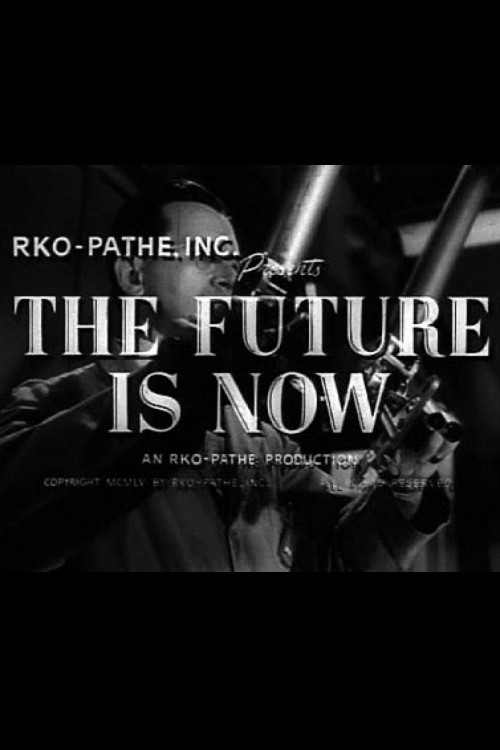
The Future Is Now 1955
Step inside the visionary world of 1955 with *The Future Is Now (1955)*, a fascinating short documentary directed by Larry O'Reilly.
Director: Larry O'Reilly
Cast
Frequently Asked Questions
What is The Future Is Now (1955) about?
This short documentary dives into government research labs to reveal cutting-edge technologies from 1955 that promised to reshape daily life. It highlights both industrial breakthroughs and consumer innovations, offering a fascinating look at the era's technological dreams.
Who directed The Future Is Now?
Larry O'Reilly directed *The Future Is Now (1955)*, bringing a keen eye for documentary storytelling to this forward-looking film.
Who stars in The Future Is Now?
The documentary features Dwight Weist as the narrator, guiding viewers through its visionary concepts.
Is The Future Is Now (1955) worth watching?
While it's a brief 15-minute watch, *The Future Is Now (1955)* offers an intriguing historical snapshot of technological optimism. Its blend of science and everyday life makes it a compelling watch for fans of vintage documentaries and tech history.
How long is The Future Is Now?
*The Future Is Now (1955)* runs for 15 minutes, making it a quick but insightful cinematic experience.
About The Future Is Now (1955) — Exploring 1950s Visionary Tech in a Short Documentary
Step inside the visionary world of 1955 with *The Future Is Now (1955)*, a fascinating short documentary directed by Larry O'Reilly. This 15-minute glimpse into tomorrow explores groundbreaking innovations that were on the brink of transforming everyday life, from industrial marvels like computerized assembly lines and nuclear energy to consumer revolutions such as video telephones and automated kitchens. The film captures the electrifying optimism of the era, painting a vivid picture of a society hurtling toward a technologically advanced future.
Narrated and driven by Dwight Weist, the documentary balances industrial ambition with domestic curiosity, showcasing futuristic concepts like solar-powered batteries, irradiated food, and instant home movies made possible by videotape. The atmosphere is one of curiosity and wonder, blending scientific rigor with accessible storytelling. *The Future Is Now (1955)* isn't just a snapshot of the past—it's a time capsule of innovation that still feels strangely prescient today.