The Mirrors 1964
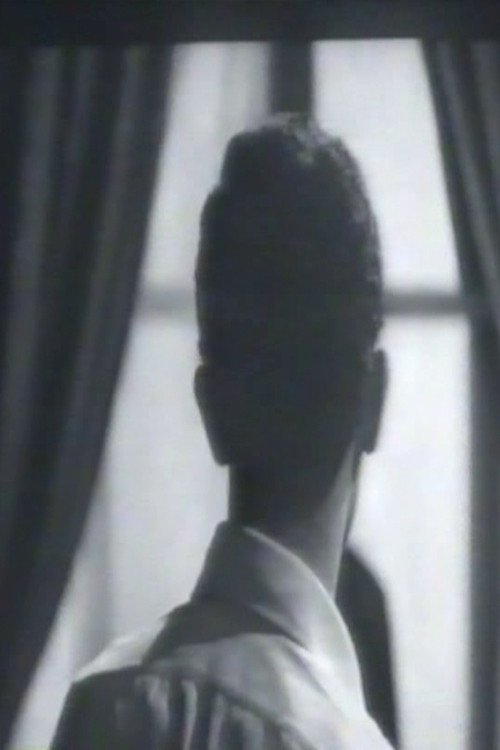
Shot in 1964 as Kamran Shirdel's graduating work at Rome's Centro Sperimentale di Cinematografia, The Mirrors (Gli Specchi) is a silent, ten-minute urban nocturne that follows a solitary figure—thought to be a writer or painter—adrift in a cluttered apartment.
Director: Kamran Shirdel
Frequently Asked Questions
What is The Mirrors (1964) about?
The film follows a despondent artist or writer in a cluttered Roman apartment, confronting his own image in a series of mirrors that multiply doubt rather than comfort. Without a word of dialogue, it crafts a quiet storm of self-questioning set to the spare, modernist music of Anton Webern.
Who directed The Mirrors?
Kamran Shirdel, a pioneering Iranian filmmaker whose 1964 diploma film became a quiet landmark in experimental cinema.
Who stars in The Mirrors?
The cast is not officially listed; the central role is played by a single, unnamed actor whose presence anchors the psychological study.
Is The Mirrors (1964) worth watching?
Though unrated and brief, The Mirrors offers a compelling slice of early-1960s experimental filmmaking. Its meditative pacing and Webern's score reward viewers drawn to introspective, dialogue-free cinema rather than conventional narrative.
How long is The Mirrors?
The Mirrors runs exactly ten minutes.
About The Mirrors (1964) — A Haunting Ten-Minute Essay on Solitude and Self
Shot in 1964 as Kamran Shirdel's graduating work at Rome's Centro Sperimentale di Cinematografia, The Mirrors (Gli Specchi) is a silent, ten-minute urban nocturne that follows a solitary figure—thought to be a writer or painter—adrift in a cluttered apartment. Mirrors tile the walls, each surface reflecting solitude and self-scrutiny instead of connection, while fragments of Anton Webern's Six Pieces for Orchestra Opus 6 ripple through the dim light, underscoring a mood of existential drift. The film sits at the hinge between Italian neorealist impulses and the avant-garde sensibility burgeoning in the early 1960s, capturing a fleeting moment when Shirdel also assisted John Huston on The Bible.
A meditation on identity, isolation, and the fragile boundary between reality and self-perception, The Mirrors (1964) invites viewers into a private reckoning played out on glass and memory. Its absence of dialogue transforms the apartment into a resonant chamber for the inner voice, making every reflected glance a potential question and every shadow a fleeting answer.