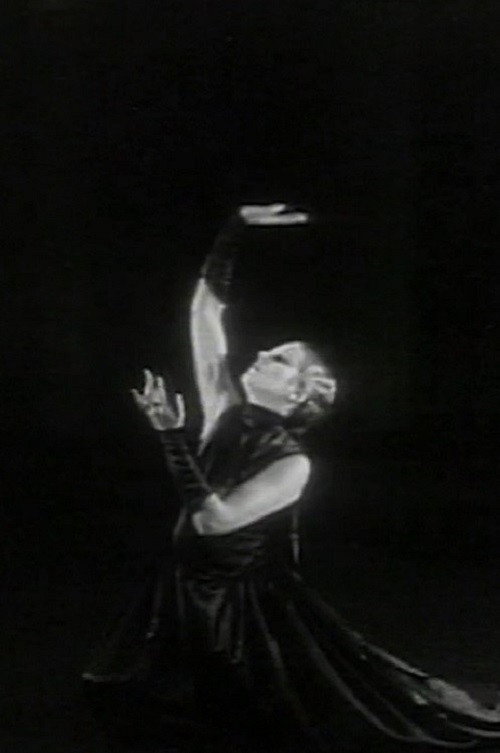
Stramilano 1929
Dive into the rhythmic pulse of 1920s Milan with *Stramilano (1929)*, Corrado D'Errico's vibrant 'city symphony' documentary.
Director: Corrado D'Errico
Frequently Asked Questions
What is Stramilano (1929) about?
*Stramilano (1929)* is a poetic documentary that traces a single day in Milan, blending documentary realism with artistic expression. The film captures the city's diverse landscapes, from industrial factories to lively farmers' markets and glamorous nightclubs, all set to the immersive sounds of the era.
Who directed Stramilano?
Stramilano was directed by Corrado D'Errico, an Italian filmmaker known for his innovative approach to documentary cinema.
Who stars in Stramilano?
Cast details for Stramilano (1929) are not listed.
Is Stramilano (1929) worth watching?
While *Stramilano (1929)* is a short documentary, it's a fascinating time capsule of 1920s Milan, offering a unique blend of historical insight and artistic merit. Fans of silent-era cinema or 'city symphony' films like *Berlin: Symphony of a Great City* will find it particularly rewarding.
How long is Stramilano?
Stramilano (1929) runs for 14 minutes.
About Stramilano (1929) — Corrado D'Errico's Vibrant 'City Symphony' of 1920s Milan
Dive into the rhythmic pulse of 1920s Milan with *Stramilano (1929)*, Corrado D'Errico's vibrant 'city symphony' documentary. This 14-minute black-and-white film captures the city's heartbeat, weaving together bustling farmers' markets, humming factories, towering skyscrapers, and the electric energy of nightclubs into a single, immersive day-long journey. Through the lens of a silent-era filmmaker, the documentary breathes life into the city's diverse landscapes—from the clatter of machinery to the murmur of crowds—creating a sensory mosaic that feels almost alive. The absence of dialogue is more than made up for by the rich tapestry of ambient sounds, from human chatter to the rhythmic clangs of industry, immersing viewers in the era's urban dynamism.
*Stramilano (1929)* isn't just a visual record; it's a poetic homage to a city in motion, blending documentary precision with an artistic, almost musical structure. D'Errico's direction transforms everyday Milan into a cinematic canvas, where the interplay of light, shadow, and movement paints a portrait of a society on the cusp of modernity. The film's themes of progress, community, and the rhythm of urban life resonate as much today as they did in the 1920s, offering a nostalgic yet timeless glimpse into a bygone era of Italian culture.