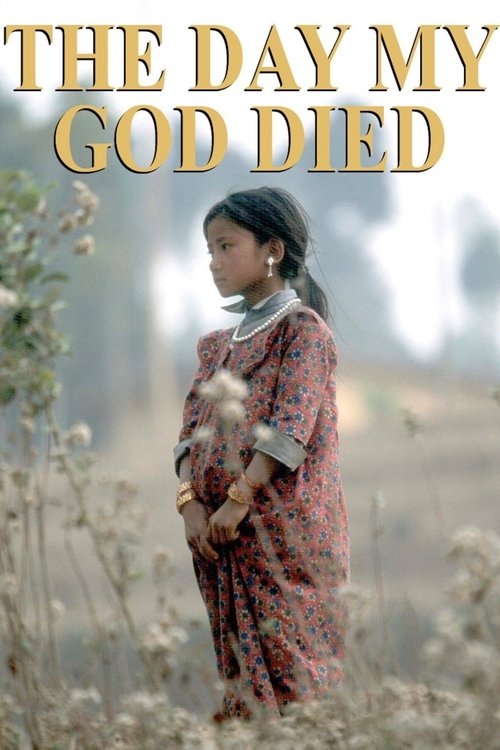
The Day My God Died 2003
The Day My God Died (2003) is a powerful documentary directed by Andrew Levine that exposes the harrowing reality of child sex trafficking in South Asia.
Director: Andrew Levine
Cast


Frequently Asked Questions
What is The Day My God Died (2003) about?
This documentary investigates the child sex slave trade in Nepal and India, showing the lives of young girls trapped in Bombay's brothels and the brave activists working to rescue them.
Who directed The Day My God Died?
The film was directed by Andrew Levine, who crafted this investigative documentary to expose human trafficking networks across South Asia.
Who stars in The Day My God Died?
The documentary features Tim Robbins and Winona Ryder, who provide narration and support for this important human rights film.
Is The Day My God Died (2003) worth watching?
As an unrated documentary tackling crucial social issues, it's essential viewing for those interested in human rights advocacy, though the content is emotionally challenging and not suitable for all audiences.
How long is The Day My God Died?
The film runs for 70 minutes.
🎥 Trailer
About The Day My God Died (2003) — A Shocking Documentary on Child Sex Trafficking
The Day My God Died (2003) is a powerful documentary directed by Andrew Levine that exposes the harrowing reality of child sex trafficking in South Asia. Filmed across Nepal and India, this 70-minute film takes viewers inside the hidden world of Bombay's brothels, known locally as 'The Cages,' using covert spy camera technology to capture authentic footage. The documentary follows the devastating stories of young girls whose childhoods have been stolen, while also highlighting the courageous activists fighting to end this modern-day slavery.
Through intimate interviews and real-world investigation, The Day My God Died (2003) reveals both the depths of human exploitation and the resilience of those working to rescue victims. The film features narration by Tim Robbins and Winona Ryder, whose involvement brings additional attention to this critical social issue. This unflinching documentary serves as both witness and call to action, reminding audiences that these are not distant strangers but 'our daughters' who deserve protection and justice. The raw, eye-opening footage makes this essential viewing for anyone concerned about human rights and social justice.