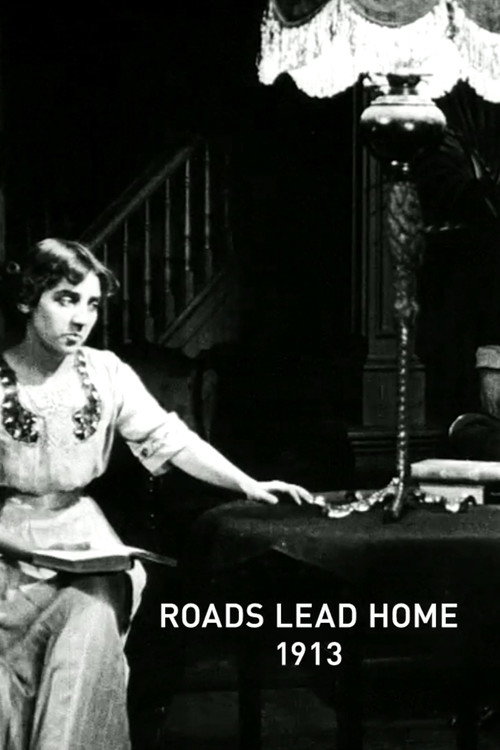
The Roads That Lead Home 1913
Directed by pioneering filmmaker Alice Guy-Blaché, *The Roads That Lead Home (1913)* is a silent-era drama that explores the collision of old-world values and modern ambition. The film follows Mrs.
Director: Alice Guy-Blaché
Frequently Asked Questions
What is *The Roads That Lead Home (1913)* about?
This silent drama follows a wealthy matriarch whose son marries an actress against her wishes, leading to a life of dissipation and separation. The story highlights the clash between tradition and modern desires, ending in regret and loss.
Who directed *The Roads That Lead Home*?
The film was directed by Alice Guy-Blaché, a groundbreaking figure in early cinema known for her innovative storytelling and contributions to film history.
Who stars in *The Roads That Lead Home*?
The cast details for *The Roads That Lead Home (1913)* are not available in historical records.
Is *The Roads That Lead Home (1913)* worth watching?
As a silent-era short film from a pioneering director, it offers a fascinating glimpse into early cinema's narrative techniques and social themes. While not a blockbuster, it's a compelling watch for film enthusiasts and fans of classic storytelling.
How long is *The Roads That Lead Home*?
The film has a runtime of 10 minutes.
About The Roads That Lead Home (1913) — Alice Guy-Blaché's Silent Drama of Class and Consequence
Directed by pioneering filmmaker Alice Guy-Blaché, *The Roads That Lead Home (1913)* is a silent-era drama that explores the collision of old-world values and modern ambition. The film follows Mrs. Hurley, a proud matriarch clinging to her aristocratic lineage, as her son defies her expectations by marrying a stage actress against her wishes. Their union quickly unravels under the weight of societal pressures, gambling, and dissipation, leaving both lives in shambles. Shot in just 10 minutes, Guy-Blaché crafts a poignant snapshot of class struggles and the consequences of rebellion, wrapped in the atmospheric tension of early 20th-century filmmaking.
This short but impactful narrative delves into themes of family, sacrifice, and the fragility of social standing, all set against the backdrop of a rapidly changing world. While the era's cinematic techniques were still in their infancy, *The Roads That Lead Home* stands as a testament to Guy-Blaché's visionary storytelling and her ability to convey emotion without dialogue. A fascinating glimpse into the past, this film invites viewers to reflect on how far society—and its expectations—have come.