
After the Wind Has Gone 1996
In *After the Wind Has Gone* (1996), director Yukiko Takayama crafts a quietly powerful drama that lingers like the memory of a fleeting breeze.
Director: Yukiko Takayama
Cast





Frequently Asked Questions
What is After the Wind Has Gone (1996) about?
The film follows interconnected characters as they confront life's unexpected turns, from loss to second chances. Director Yukiko Takayama weaves their stories into a tapestry of resilience, where every ending holds the promise of renewal.
Who directed After the Wind Has Gone?
Yukiko Takayama directed the film, known for her sensitive approach to human drama in Japanese cinema.
Who stars in After the Wind Has Gone?
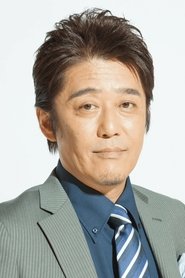
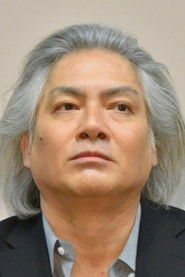
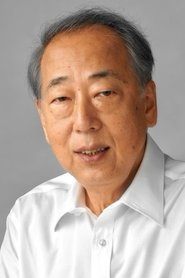
The film features standout performances from Shima Iwashita, Hiroshi Abe, and Kaori Takahashi.
Is After the Wind Has Gone (1996) worth watching?
For fans of reflective, character-driven dramas, *After the Wind Has Gone* offers a rewarding experience. Its understated storytelling and strong performances make it a hidden gem worth discovering.
How long is After the Wind Has Gone?
The movie runs for 97 minutes.
About After the Wind Has Gone (1996) — A Quiet Drama of Change and Resilience
In *After the Wind Has Gone* (1996), director Yukiko Takayama crafts a quietly powerful drama that lingers like the memory of a fleeting breeze. The film traces the lives of ordinary people navigating personal upheaval, their quiet struggles unfolding against a backdrop of societal change. With a deliberate pace and understated performances, Takayama explores themes of resilience and the search for meaning in moments of transition. Shima Iwashita and Hiroshi Abe deliver nuanced portrayals, grounding the narrative in emotional authenticity. The atmosphere is contemplative, reflecting the weight of unspoken feelings and the fleeting nature of time.
Set in a world where choices echo long after they're made, the film captures the fragility of human connections. From a woman grappling with loss to a man reconsidering his path, each character's journey feels deeply personal. Takayama's direction eschews melodrama for a raw sincerity, making *After the Wind Has Gone* a reflective experience for audiences seeking substance over spectacle.