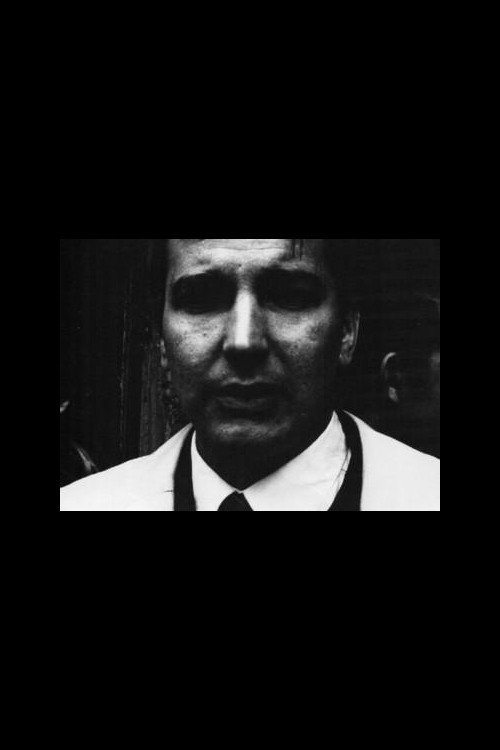
Tomorrow. 31st of April, 1st of May 1970 1970
Wojciech Wiszniewski's *Tomorrow. 31st of April, 1st of May 1970 (1970)* delivers a raw, unflinching snapshot of communist-era Poland, blending documentary realism with biting social commentary.
Director: Wojciech Wiszniewski
Frequently Asked Questions
What is *Tomorrow. 31st of April, 1st of May 1970* (1970) about?
This short documentary follows a Lodz factory worker navigating a Labor Day filled with drinking and reluctant camaraderie. Through his eyes, the film explores the gap between communist ideals and the gritty, often disillusioning reality of working-class life in 1970s Poland.
Who directed *Tomorrow. 31st of April, 1st of May 1970*?
The film was directed by Wojciech Wiszniewski, a Polish filmmaker known for his socially conscious documentaries that scrutinize life under communist rule.
Who stars in *Tomorrow. 31st of April, 1st of May 1970*?
The cast consists of anonymous workers and locals from Lodz, with no prominent actors credited. The film's focus is on authentic representation rather than star power.
Is *Tomorrow. 31st of April, 1st of May 1970* (1970) worth watching?
With its unvarnished look at communist-era struggles and Wiszniewski's sharp observational style, this 10-minute documentary is a must-see for fans of historical realism. Its brevity belies its emotional depth, making it a compelling watch despite its minimal runtime.
How long is *Tomorrow. 31st of April, 1st of May 1970*?
The film runs for 10 minutes.
About Tomorrow. 31st of April, 1st of May 1970 (1970) — A Worker's Dream in Black-and-White Poland
Wojciech Wiszniewski's *Tomorrow. 31st of April, 1st of May 1970 (1970)* delivers a raw, unflinching snapshot of communist-era Poland, blending documentary realism with biting social commentary. Set against the backdrop of Labor Day, the film follows a working-class man navigating the contradictions of proletarian pride in Lodz. His day unfolds in dimly lit taverns and dreary courtyards, where cheap wine flows as freely as the empty dreams of a system built on slogans rather than substance. Wiszniewski captures the tension between idealism and disillusionment, leaving viewers to ponder the fragile balance between personal contentment and systemic failure. The atmosphere is thick with the weight of unspoken frustrations, a visual essay on resilience masked by resignation.
This 10-minute short transcends its modest runtime, offering a poignant critique of life under authoritarianism. The worker's pride in his class clashes with the harsh realities of his existence, creating a dissonance that lingers long after the screen fades to black. Wiszniewski's lens exposes the quiet desperation of a society where holiday celebrations mask deeper disappointments.