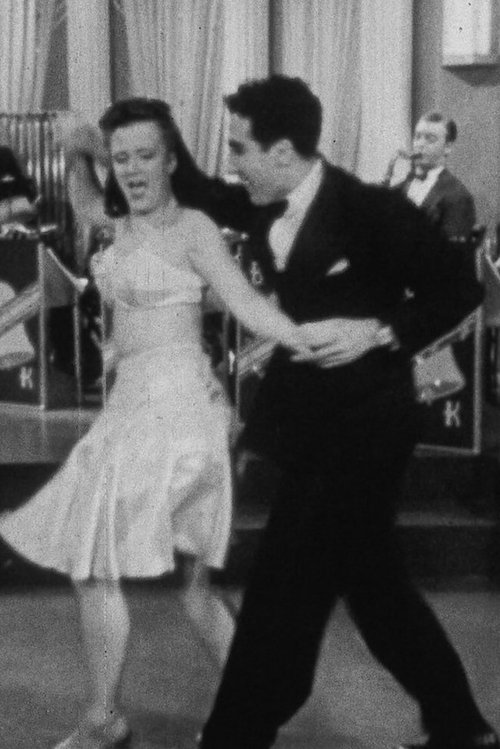
Maharaja 1943
Step into the spotlight with *Maharaja (1943)*, a fleeting but memorable musical short that captures the golden age of cinema's charm. Directed by Clarence Bricker, this three-minute gem blends rhythm, dance, and the era's cinematic flair into a compact yet vibrant performance.
Director: Clarence Bricker
Cast
Frequently Asked Questions
What is Maharaja (1943) about?
This short film centers on a lively musical and dance performance, showcasing the talents of its lead actors in a brief but spirited routine. The film's title hints at grandeur, while its execution delivers playful, lighthearted entertainment.
Who directed Maharaja?
Clarence Bricker directed *Maharaja (1943)*, bringing a keen eye for early cinematic storytelling to this compact musical short.
Who stars in Maharaja?
The film stars Hal Takier and Betty Takier, whose dynamic performances and musical talent drive the short's charm.
Is Maharaja (1943) worth watching?
As a three-minute musical short from the early 1940s, *Maharaja* offers a nostalgic peek into vintage cinema's musical roots. Its brevity and energy make it a fun watch for classic film enthusiasts, though it's best appreciated as a historical curiosity rather than a modern masterpiece.
How long is Maharaja?
The film runs for 3 minutes.
About Maharaja (1943) — A Glimpse into Early Cinema's Musical Magic
Step into the spotlight with *Maharaja (1943)*, a fleeting but memorable musical short that captures the golden age of cinema's charm. Directed by Clarence Bricker, this three-minute gem blends rhythm, dance, and the era's cinematic flair into a compact yet vibrant performance. The film's minimal runtime doesn't diminish its impact—rather, it amplifies the energy of its two leads, Hal and Betty Takier, whose synchronized movements and playful chemistry light up the screen. Rooted in the music genre, *Maharaja* embodies the playful escapism of early 20th-century entertainment, offering a nostalgic glimpse into the artistry of silent-era filmmaking. Its title, evoking royal splendor, contrasts with the modest yet joyful presentation, creating a delightful paradox that lingers long after the final note fades.
While the plot is minimal—centered on a lively musical and dance routine—*Maharaja* thrives on its atmosphere. The black-and-white visuals, expressive performances, and infectious tunes transport viewers to a time when cinema was still discovering its voice. Though the film's brevity leaves much to the imagination, its spirit is undeniably infectious, making it a curio worth revisiting for fans of vintage cinema or those curious about the roots of musical storytelling. Whether you're a historian, a dancer, or simply a lover of classic film, *Maharaja (1943)* delivers a brief but captivating experience.