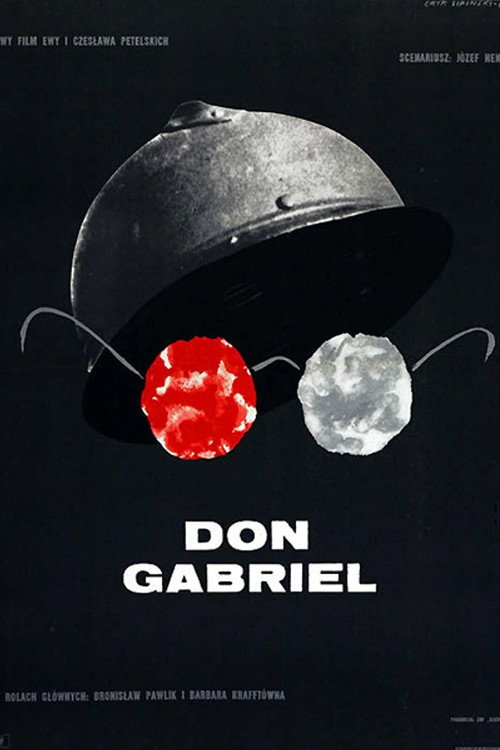
Don Gabriel 1966
Don Gabriel (1966), helmed by director Ewa Petelska, is a bold Polish comedy-war film that examines the crushing defeat of Poland in the September 1939 campaign against Nazi Germany.
Director: Ewa Petelska
Cast

Frequently Asked Questions
What is Don Gabriel (1966) about?
Don Gabriel (1966) tells the story of a Polish academic deeply fascinated by German culture who joins the 1939 war effort, only to confront the harsh reality of defeat. The film uses humor and tragedy to explore how personal beliefs crumble under the weight of historical events.
Who directed Don Gabriel?
Don Gabriel was directed by Ewa Petelska, a notable figure in Polish cinema known for blending social commentary with genre filmmaking.
Who stars in Don Gabriel?
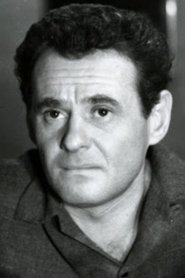
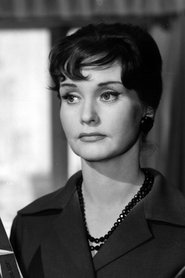
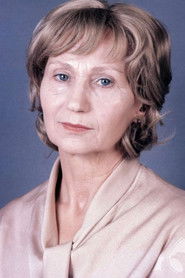
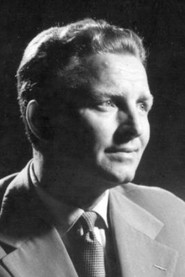
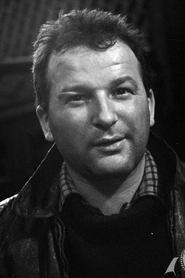
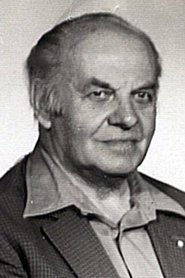
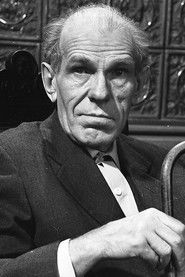
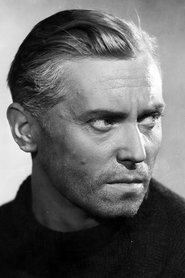
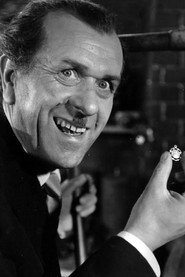
The film features Bronisław Pawlik in the lead role, alongside Barbara Krafftówna, Ryszarda Hanin, Igor Śmiałowski, and Gustaw Lutkiewicz in pivotal supporting parts.
Is Don Gabriel (1966) worth watching?
While not commercially famous, Don Gabriel (1966) is a compelling watch for fans of historical comedy-dramas and Polish cinema. It offers a unique perspective on war through the lens of an intellectual, making it more than just another wartime narrative. Its runtime of 92 minutes keeps it tight and focused.
How long is Don Gabriel?
Don Gabriel runs for 92 minutes.
About Don Gabriel (1966) — A Comedy-War Film Exposing Poland's 1939 Defeat Through an Intellectual's Eyes
Don Gabriel (1966), helmed by director Ewa Petelska, is a bold Polish comedy-war film that examines the crushing defeat of Poland in the September 1939 campaign against Nazi Germany. Through the eyes of a university intellectual—captivated by German culture yet drawn into the chaos of war—the story explores the painful gap between idealism and harsh reality. The film blends sharp social commentary with the absurdity of conflict, capturing a moment when cultural fascination collides with national catastrophe. With its dry wit and biting perspective, Don Gabriel stands out as a rare cinematic reflection on how intellectuals grapple with war's moral contradictions.
Bronisław Pawlik leads an outstanding cast, supported by Barbara Krafftówna, Ryszarda Hanin, and Igor Śmiałowski, in a narrative that balances tragic irony with historical insight. The tone is cerebral yet accessible, making it as thought-provoking as it is entertaining. Shot in the distinct style of mid-century Polish cinema, the film immerses viewers in a world where personal ambition meets geopolitical collapse—a timeless theme wrapped in a specific, pivotal moment.