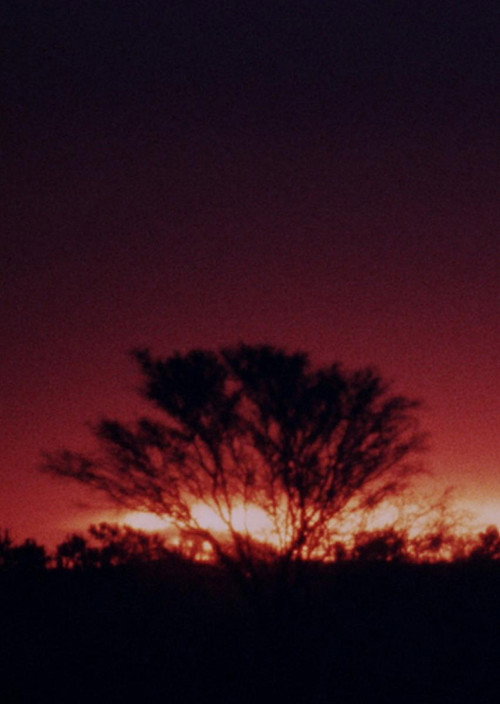
The Second Journey (To Uluru) 1981
Dive into the mesmerizing world of *The Second Journey (To Uluru)* (1981), a poetic documentary by visionary director Arthur Cantrill. This 74-minute visual meditation captures the awe-inspiring beauty of Uluru, the sacred monolith revered by Australia's Indigenous peoples.
Director: Arthur Cantrill
Cast

Frequently Asked Questions
What is *The Second Journey (To Uluru)* (1981) about?
This documentary by Arthur Cantrill captures the raw, spiritual essence of Uluru, Australia's iconic monolith. Through stunning visuals and immersive sound design, the film explores the timelessness of the site while weaving in themes of cultural loss and reverence.
Who directed *The Second Journey (To Uluru)*?
Arthur Cantrill, an acclaimed pioneer of experimental and documentary filmmaking, directed this evocative work.
Who stars in *The Second Journey (To Uluru)*?
The film stars Corinne Cantrill, collaborating with director Arthur Cantrill in this meditative cinematic experience.
Is *The Second Journey (To Uluru)* (1981) worth watching?
Absolutely—if you appreciate visually driven, artistically ambitious documentaries. Though unrated, its lyrical approach to a sacred landscape offers a unique and contemplative viewing experience that lingers long after the credits roll.
How long is *The Second Journey (To Uluru)*?
The runtime is 74 minutes, a perfect length for an immersive cinematic journey.
About The Second Journey (To Uluru) (1981) — Arthur Cantrill's Poetic Ode to Australia's Sacred Monolith
Dive into the mesmerizing world of *The Second Journey (To Uluru)* (1981), a poetic documentary by visionary director Arthur Cantrill. This 74-minute visual meditation captures the awe-inspiring beauty of Uluru, the sacred monolith revered by Australia's Indigenous peoples. Through meticulously composed shots—ranging from sweeping panoramas to intimate close-ups—the film explores the timeless majesty of this ancient stone formation, bathed in shifting light and soundscapes. Cantrill's masterful use of silence and acoustically altered birdsong creates an almost meditative experience, evoking both wonder and a poignant sense of loss. Whether you're a fan of experimental cinema or a traveler seeking the essence of place, this film offers a rare, immersive journey.
Arthur Cantrill, a pioneer of avant-garde filmmaking, brings a unique sensitivity to the subject, blending artistry with cultural reverence. The interplay of natural elements—from the somnambulistic moonrise to the play of sunlight on rock—transforms the monolith into a living canvas. The film's abstract yet deeply felt approach makes it a standout in the documentary genre, inviting viewers to reflect on the enduring spirit of Uluru and the stories embedded in its ancient surface.