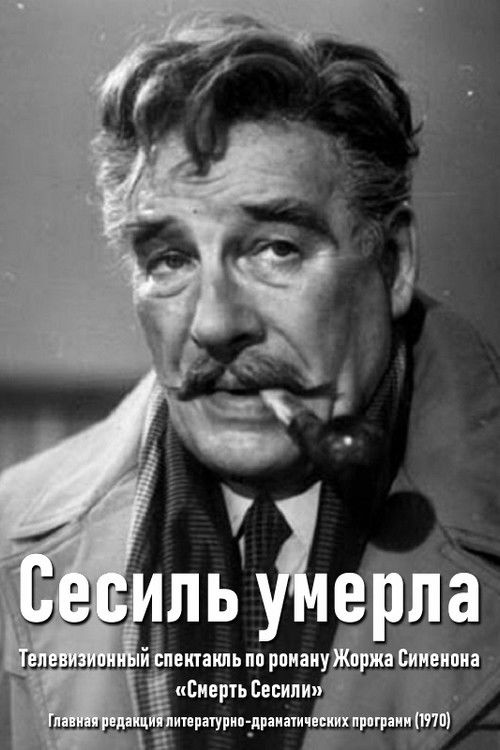
Cecile is Dead 1970
Soviet-era mystery thriller *Cecile is Dead (1970)*, directed by Vyacheslav Brovkin, unfolds like a shadowy chess game where every move hides a secret.
Director: Vyacheslav Brovkin
Cast



Frequently Asked Questions
What is Cecile is Dead (1970) about?
The film follows an investigation into the mysterious death of a woman named Cecil, uncovering layers of deception and hidden motives. As clues emerge, the line between victim and perpetrator blurs, challenging both detectives and viewers to separate fact from fiction.
Who directed Cecile is Dead?
Vyacheslav Brovkin directed *Cecile is Dead*. Known for his work in Soviet-era television, Brovkin brought a precise and atmospheric style to the mystery genre.
Who stars in Cecile is Dead?
The film features Boris Tenin as the lead investigator, alongside Boris Ivanov, Natalya Nikonova, and Yevdokiya Urusova in pivotal roles.
Is Cecile is Dead (1970) worth watching?
While unrated on IMDb, its Soviet crime-drama credentials and Brovkin's direction make it a compelling watch for fans of period mysteries. The film's atmosphere and moral ambiguity offer more reward than a typical whodunit, though its dated pacing may not suit all viewers.
How long is Cecile is Dead?
Runtime details are not listed for *Cecile is Dead (1970).
Cecile is Dead (1970): Soviet Crime Mystery — Full Details
Soviet-era mystery thriller *Cecile is Dead (1970)*, directed by Vyacheslav Brovkin, unfolds like a shadowy chess game where every move hides a secret. Set against a muted backdrop of 1970s intrigue, the film follows an enigmatic investigation into a woman's untimely demise, weaving together clues that blur the line between guilt and innocence. Brovkin crafts an atmosphere thick with suspense, where every character—from the determined investigator Boris Tenin to the enigmatic Natalya Nikonova—plays a role in a puzzle that refuses to reveal its final design.
Beneath its crime-drama surface, *Cecile is Dead* explores the fragility of truth in a system where appearances are carefully controlled. The stark black-and-white cinematography mirrors the moral ambiguity of its protagonists, leaving audiences to question whether justice is ever truly attainable. With its mix of suspense, moral complexity, and period detail, this TV movie stands as a fascinating relic of Soviet-era storytelling, lingering in the mind long after the final scene.