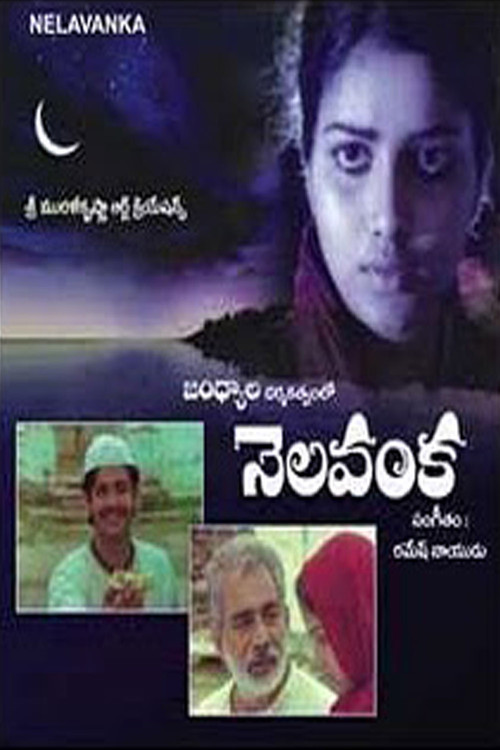
Nelavanka 1983
"Hasya Brahma film"
Set in rural India, *Nelavanka* (1983) weaves together drama and romance through the lives of a zamindar's family and their trusted driver.
Director: Jandhyala Subramanya Sastry
Cast


Frequently Asked Questions
What is *Nelavanka* (1983) about?
This 1983 Telugu drama follows the zamindar's family as their lives unravel when a charming outsider manipulates Lalitha into a fake romance. Savitri, the family's mute daughter, faces her own struggles while Raheem's son Saleem steps in to protect Lalitha, uncovering layers of deceit.
Who directed *Nelavanka*?
The film was directed by Jandhyala Subramanya Sastry, a master storyteller known for his emotive narratives blending humor and drama.
Who stars in *Nelavanka*?
The film features veteran actors Gummadi as the zamindar, J.V. Somayajulu as Raheem, Rajesh as Saleem, and Tulasi in a pivotal role as Lalitha.
Is *Nelavanka* (1983) worth watching?
While its IMDb rating is unrated, *Nelavanka* (1983) stands out for its heartfelt storytelling and strong performances in the drama-romance genre. Fans of classic Telugu cinema will appreciate its emotional depth and character-driven plot.
How long is *Nelavanka*?
The film runs for 110 minutes.
🎥 Trailer
About Nelavanka (1983) — A village drama of love, betrayal, and redemption full of surprises
Set in rural India, *Nelavanka* (1983) weaves together drama and romance through the lives of a zamindar's family and their trusted driver. Directed by the acclaimed Jandhyala Subramanya Sastry, this heartfelt film explores themes of love, deception, and redemption against the backdrop of a close-knit village community. The story unfolds as the zamindar's mute daughter Savitri and spirited college-going daughter Lalitha navigate contrasting paths—one silenced by circumstance, the other ensnared by a manipulative suitor. Their fates intertwine with Raheem, the driver's son, whose courage becomes the catalyst for justice in this emotional tale of broken trust and unexpected alliances.
With its rich character dynamics and moral dilemmas, *Nelavanka* (1983) captures the essence of human relationships under societal pressures, blending humor and pathos in equal measure. The film's title, translating to "harmony," belies its layered narrative of betrayal and resilience, making it a poignant exploration of family and societal expectations.