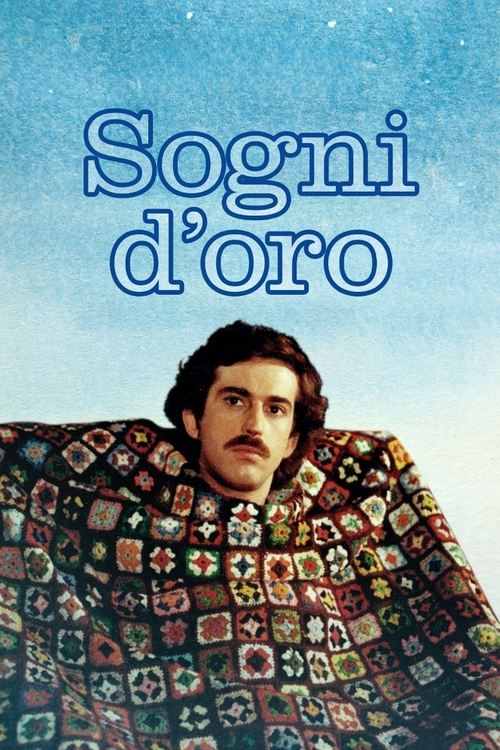
Sweet Dreams 1981
Sweet Dreams (1981), directed by Nanni Moretti, is a sharp, introspective comedy-drama that peels back the layers of a filmmakers existential crisis.
Director: Nanni Moretti
Cast








Frequently Asked Questions
What is Sweet Dreams (1981) about?
Sweet Dreams follows Michele, a disillusioned filmmaker struggling to finish his latest project, *Freud's Mother*, while clashing with industry norms and his own creative block. The film blends satire and personal reflection as Michele confronts his relationship with his mother and the fading ideals of political activism.
Who directed Sweet Dreams?
Sweet Dreams was directed by Nanni Moretti, the acclaimed Italian filmmaker known for his sharp, introspective storytelling and signature blend of comedy and drama.
Who stars in Sweet Dreams?
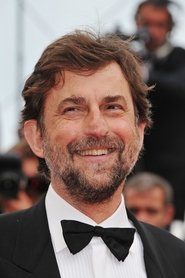
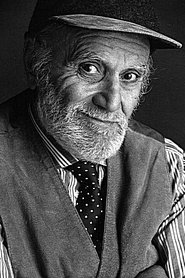
The film stars Nanni Moretti, Nicola Di Pinto, Laura Morante, Alessandro Haber, and Remo Remotti.
Is Sweet Dreams (1981) worth watching?
Sweet Dreams is a fascinating watch for fans of introspective, character-driven films. Moretti's direction and performance bring depth and humor to a story about creative struggles and personal demons, making it a unique slice of Italian cinema.
How long is Sweet Dreams?
Sweet Dreams (1981) has a runtime of 100 minutes.
Sweet Dreams (1981): A Filmmaker's Self-Inquiry — Full Movie Info
Sweet Dreams (1981), directed by Nanni Moretti, is a sharp, introspective comedy-drama that peels back the layers of a filmmakers existential crisis. Michele, played by Moretti himself, finds himself at odds with both the rigid conventions of the Italian film industry and his own creative stagnation. His latest project, *Freud's Mother*, mirrors his personal struggles, especially his fraught relationship with his mother—a theme woven throughout this witty yet melancholic exploration of art, politics, and the burdens of legacy.
Set against the backdrop of Italy's lingering political disillusionment, Sweet Dreams captures the tension between ambition and inertia with Moretti's signature blend of irony and emotional depth. The film's atmosphere oscillates between biting satire and quiet introspection, as Michele navigates his own neuroses, clashes with a Neapolitan director fixated on a musical about the 1968 student protests, and grapples with the ghosts of his past. It's a rare cinematic self-portrait—part confession, part critique—that resonates with anyone who's ever felt stuck between their dreams and reality.