Joshua: A Nigerian Portrait 1963
Step back in time to 1963 with Joshua: A Nigerian Portrait, Allan King's intimate documentary that captures a pivotal moment in Lagos' history.
Director: Allan King
Cast
Frequently Asked Questions
What is Joshua: A Nigerian Portrait (1963) about?
Joshua: A Nigerian Portrait chronicles Joshua Sobitan's life as he adapts to the challenges of Lagos, Nigeria's bustling capital. The film contrasts the security of his village roots with the isolating chaos of city living, highlighting themes of displacement and resilience.
Who directed Joshua: A Nigerian Portrait?
Allan King, a pioneering Canadian filmmaker known for his observational documentaries, directed Joshua: A Nigerian Portrait.
Who stars in Joshua: A Nigerian Portrait?
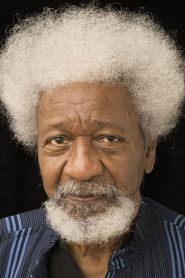
The documentary features Wole Soyinka among its cast, alongside Joshua Sobitan and other Lagos residents whose stories shape the narrative.
Is Joshua: A Nigerian Portrait (1963) worth watching?
While unrated on IMDb, this 57-minute documentary offers a rare glimpse into 1960s Nigerian society. Its themes of urbanization and cultural change remain relevant, making it a compelling watch for fans of historical documentaries.
How long is Joshua: A Nigerian Portrait?
Joshua: A Nigerian Portrait runs for 57 minutes.
About Joshua: A Nigerian Portrait (1963) — A 1960s Nigerian documentary on urban migration and identity
Step back in time to 1963 with Joshua: A Nigerian Portrait, Allan King's intimate documentary that captures a pivotal moment in Lagos' history. This black-and-white gem follows Joshua Sobitan, a rent collector navigating the tumultuous shift from the tight-knit rhythms of village life to the overwhelming pulse of Nigeria's burgeoning metropolis. Through King's observational lens, the film explores universal themes of identity, displacement, and the human cost of urbanization, painting a poignant portrait of one man's journey amid the city's relentless energy.
Wole Soyinka's presence adds a layer of cultural depth, anchoring the narrative in Nigeria's rich intellectual and social landscape. Shot in the raw, documentary style of mid-century cinema, the film immerses viewers in the sights, sounds, and struggles of post-colonial Lagos. Its stark realism and emotional resonance make Joshua: A Nigerian Portrait more than just a historical record—it's a moving meditation on change and belonging.