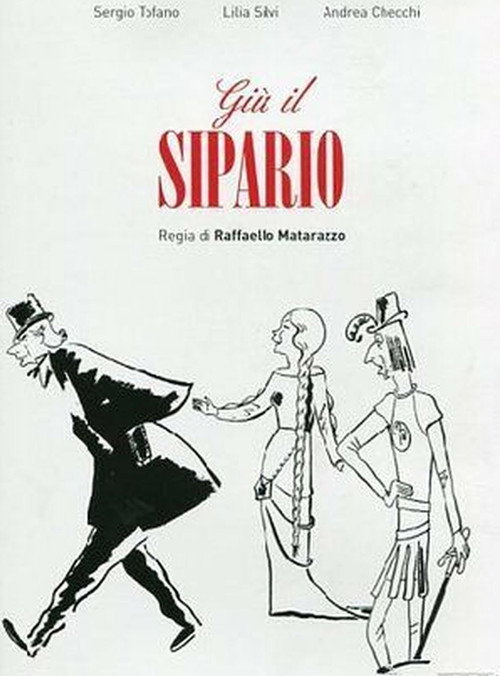
Giù il sipario 1940
Giù il sipario (1940) is a classic Italian comedy that delves into the chaotic world of theater, where artistic ambition collides with personal scheming.
Director: Raffaello Matarazzo
Cast

Frequently Asked Questions
What is Giù il sipario (1940) about?
This comedy centers on a playwright whose new production becomes entangled in various schemes involving actors, a director, and his uncle. Each character pursues their own agenda regarding the play's success, leading to a web of backstage intrigue and unexpected alliances.
Who directed Giù il sipario?
Raffaello Matarazzo directed this 1940 comedy, bringing his distinctive style to the behind-the-scenes theatrical setting.
Who stars in Giù il sipario?
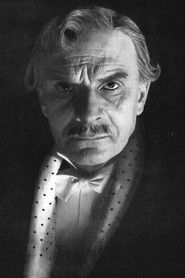
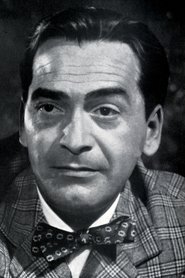
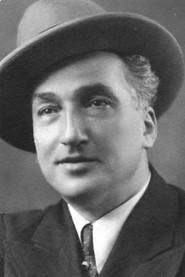
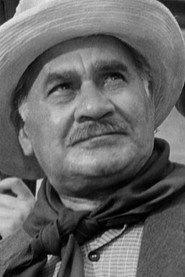
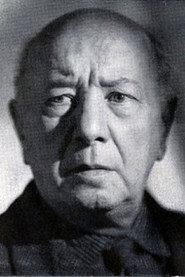
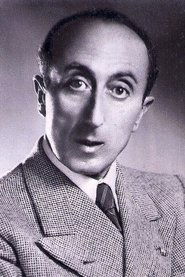
The film features Sergio Tofano, Lilia Silvi, Andrea Checchi, Lola Braccini, Rosetta Tofano, and Achille Majeroni in key roles.
Is Giù il sipario (1940) worth watching?
As an unrated comedy from 1940, Giù il sipario offers vintage Italian entertainment with its backstage theater setting and ensemble cast. The film's exploration of artistic ambition and human scheming makes it appealing to fans of classic cinema and theater-themed stories.
How long is Giù il sipario?
The film runs for 74 minutes.
Giù il sipario: Behind-the-Scenes Theater Chaos — Full Movie Info
Giù il sipario (1940) is a classic Italian comedy that delves into the chaotic world of theater, where artistic ambition collides with personal scheming. Directed by the renowned Raffaello Matarazzo, this 74-minute film follows a playwright whose latest production becomes the battleground for competing interests. When a troupe of actors, a determined director, and even the playwright's own uncle begin manipulating events behind the scenes, the line between performance and reality blurs in entertaining ways.
The film showcases the talents of Sergio Tofano, Lilia Silvi, and Andrea Checchi as they navigate through layers of deception and rivalry. Set against the backdrop of backstage drama, Giù il sipario explores themes of ambition, loyalty, and the price of success in the competitive world of entertainment. Matarazzo's direction captures the frenetic energy of theatrical life while delivering sharp observations about human nature and the performing arts.