The March 1999
Abraham Ravett's *The March (1999)* is a haunting documentary that unfolds through more than a decade of intimate conversations between the filmmaker and his mother.
Director: Abraham Ravett
Frequently Asked Questions
What is The March (1999) about?
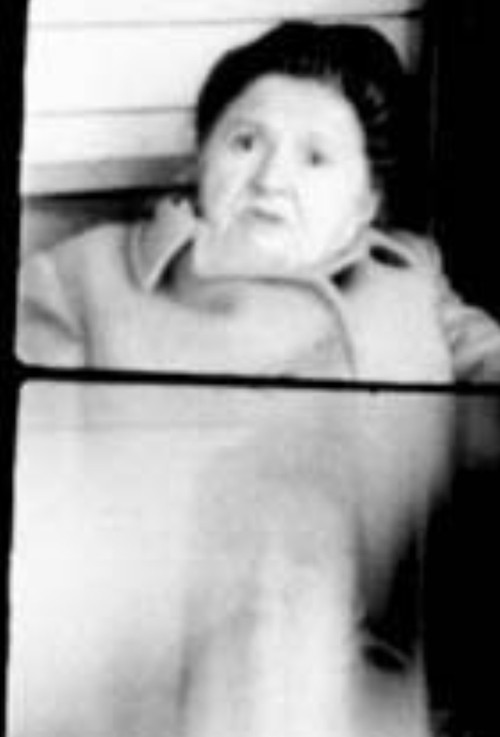
*The March* captures a woman's firsthand account of the 1945 Auschwitz Death March, retold through years of conversations with her filmmaker son. The documentary blends personal testimony with historical weight, offering a raw and intimate look at survival and remembrance.
Who directed The March?
The March was directed by Abraham Ravett, who crafted a deeply personal film through years of conversations with his mother.
Who stars in The March?
The March focuses on Ravett's mother as the central figure, with Abraham Ravett himself taking on the role of interviewer and filmmaker.
Is The March (1999) worth watching?
As a documentary, *The March* offers a rare and poignant perspective on historical trauma, making it a compelling watch for fans of thought-provoking films. While it's a short film at just 26 minutes, its emotional depth and historical significance give it lasting impact.
How long is The March?
The March has a runtime of 26 minutes, making it a concise yet powerful viewing experience.
About The March (1999) — A documentary of survival through a daughter's harrowing Auschwitz memories
Abraham Ravett's *The March (1999)* is a haunting documentary that unfolds through more than a decade of intimate conversations between the filmmaker and his mother. These dialogues serve as a poignant vessel for her vivid recollections of enduring the 1945 Auschwitz Death March—a harrowing journey that etched itself into history. Through her words, the film paints a stark, unflinching portrait of survival, memory, and the indelible scars left by one of humanity's darkest chapters. The black-and-white visuals and subdued tone amplify the emotional weight, creating an atmosphere that lingers long after the 26-minute runtime. Ravett's approach transforms personal testimony into a powerful meditation on resilience and the enduring echoes of history.
The March (1999) doesn't just recount events; it immerses viewers in the psychological landscape of a survivor's mind. The film's strength lies in its raw authenticity, as Ravett's mother shares her story with quiet dignity, revealing both the brutality she faced and the fragile hope that sustained her. It's a testament to the power of oral history, where the past isn't just remembered—it's relived. For those seeking a documentary that blends historical significance with deep emotional resonance, *The March* stands as a moving exploration of trauma, time, and the unbreakable human spirit.